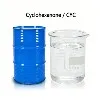

The boiling point of ethyl acetate is one of the most important physical properties considered by industrial buyers, formulators, and process engineers.
Ethyl Acetate etoac (CAS No. 141-78-6) is a widely used industrial solvent in coatings, adhesives, printing inks, pharmaceuticals, and chemical processing. Its boiling point directly affects evaporation rate, drying speed, solvent recovery, and production efficiency.
Boiling Point of Ethyl Acetate (EtOAc)
Under normal atmospheric pressure (1 atm):
- Boiling point of ethyl acetate: ~77°C (76.5–77.5°C)
Because the boiling point is moderate, ethyl acetate liquid is classified as a fast-evaporating industrial solvent, but still offers better control than very low-boiling solvents such as acetone.
Physical Data of Ethyl Acetate
| Property | Typical Value |
|---|---|
| Chemical Name | Ethyl Acetate |
| CAS No. | 141-78-6 |
| Molecular Formula | C₄H₈O₂ |
| Molecular Weight | 88.11 g/mol |
| Boiling Point | ~77°C |
| Density (20°C) | ~0.90 g/cm³ |
| Flash Point | ~ -4°C |
| Water Solubility | Slightly soluble |
Full specification, COA, and MSDS are available upon request.

Applications of Ethyl Acetate (EtOAc)
Paints, Coatings and Inks Industry
Due to its quick drying properties, ethyl acetate is extensively used in:
- Paints, varnishes, and lacquers
- Printing inks (flexographic and gravure printing)
- Industrial coatings
Cosmetics and Personal Care Products
Ethyl acetate plays an important role in the cosmetic industry.
- Used in nail polish and nail polish removers
- Acts as a solvent in perfumes and fragrances
- Helps dissolve active ingredients for smooth application
Food Industry and Flavoring Agent
Ethyl acetate is widely used as a food-grade flavoring agent.
- Adds a sweet, fruity aroma to candies, beverages, and baked goods
- Used in flavor formulations for processed foods
Decaffeination of Coffee and Tea
It is commonly used in the decaffeination process.
- Efficiently extracts caffeine from coffee beans and tea leaves
- Preferred due to its ability to dissolve polar compounds like caffeine
- Often used in "natural" or "EA decaf" coffee processes
Pharmaceutical Applications
In the pharmaceutical industry, ethyl acetate is used as:
- An extraction solvent for active ingredients
- A medium in drug purification and formulation
Textile and Cleaning Industry
Ethyl acetate is used as a cleaning and degreasing agent in textile processing.
- Removes oils, greases, and residues from fabrics
- Improves finishing quality of textile products
Food Processing and Wine Production
Ethyl acetate naturally occurs in wine and contributes to its aroma.
- Used in wine production to enhance fruity notes
- Also applied in food packaging materials as an indirect additive
Industrial Manufacturing Applications
It is a key solvent in the production of:
- Artificial leather
- Photographic films and plates
- Artificial fibers such as synthetic silk
- Smokeless powder and specialty coatings
It is especially valued as a solvent for nitrocellulose, fats, and polymers.
Safety Profile and Handling Considerations
Despite its pleasant, fruity odor, pure ethyl acetate (EtOAc) requires careful handling due to its inherent hazards. The most significant risk is its high flammability, as it is classified as a highly flammable liquid with a low flash point of around −4∘C (24.8∘F). This low flash point means that its vapors can easily ignite when exposed to heat or open flame, and its vapors can form explosive mixtures with air.
When handling the solvent, proper ventilation is necessary to mitigate inhalation risks. Breathing in high concentrations of the vapor can cause irritation to the respiratory system, eyes, and nose, potentially leading to central nervous system effects like dizziness or drowsiness. Direct or prolonged contact with the skin can cause irritation and excessive dryness due to the solvent dissolving the natural oils on the skin's surface. Therefore, the use of Personal Protective Equipment (PPE), such as chemical-resistant gloves and safety goggles, is standard procedure.

Why Choose Gneebio as Your Ethyl Acetate Supplier?
- Direct manufacturer with stable production capacity
- Consistent quality and strict QC standards
- Competitive bulk pricing
- Fast response for MSDS & COA requests
- Rich export experience and reliable logistics support
- Our goal is to build long-term partnerships by supplying reliable ethyl acetate at competitive prices.
Get Ethyl Acetate Price & Technical Documents
Looking for ethyl acetate price per ton or bulk supply details?
📩 Contact Gneebio today to receive:
- Latest ethyl acetate price
- MSDS & COA
- Packaging and MOQ details
- Technical consultation
- We will respond within 24 hours.