Introduction
A suitable xylene alternative should meet the performance requirements of the application, not simply replace xylene at the same dosage. For industrial solvent buyers, the key questions are usually whether the replacement can provide sufficient solvency, the required drying rate, acceptable flash point, good resin and substrate compatibility, and suitable regulatory properties.
Industrial buyers may look for alternatives because of VOC requirements, EHS considerations, customer specifications, aromatic-content requirements, or changes in formulation. The right choice depends on how xylene is currently used, so there is no universal replacement for every paint, coating, ink, adhesive, or cleaning application.
| Purchasing goal | Options to evaluate | Main consideration |
|---|---|---|
| Reduce aromatic content | Aliphatic or cycloaliphatic hydrocarbons | Solvency may decrease |
| Maintain resin solvency | Esters, ketones or selected blends | Polarity and evaporation may change |
| Meet specific VOC requirements | VOC-exempt solvents where applicable | Regulations vary by market |
| Replace xylene in cleaning | Hydrocarbons, esters or specialty cleaners | Cleaning power and substrate compatibility |
1. What Should a Xylene Replacement Match?
A suitable xylene solvent alternative should match the properties that affect the buyer's final product and production process. The main factors are solvency, evaporation rate, flash point, VOC and regulatory status, resin compatibility, and substrate compatibility.
Solvency determines whether the replacement can dissolve the resin, binder, additives, or contaminants required by the application. A solvent with lower solvency may cause precipitation, haze, viscosity changes, or poor film formation.
Evaporation rate determines how quickly the solvent leaves the formulation during application and drying. A faster solvent can shorten drying time but may affect leveling or open time, while a slower solvent may improve flow but increase drying time.
Flash point affects storage, handling, and plant safety requirements. Buyers should compare the replacement with the existing solvent package and the conditions used at their facility.
VOC and regulatory status must be checked for the specific product and destination market. A solvent should not be described as VOC-exempt or lower-VOC without confirming the applicable regulations.
Resin and substrate compatibility determine whether a replacement works in the actual product. This is particularly important for plastics, rubber, painted surfaces, and other materials that can swell, soften, or otherwise react with solvents.
For purchasing evaluation, compare the candidate's TDS, SDS, COA, and specification with the current xylene product before approving a replacement.
2. Xylene Alternatives Compared
The main alternatives to xylene come from different solvent families, so buyers should compare their actual technical properties rather than assume that all alternatives will behave like aromatic hydrocarbons.
| Solvent category | Representative solvents | Typical solvency | Evaporation tendency | Main limitation |
|---|---|---|---|---|
| Aliphatic hydrocarbons | n-Heptane, n-Octane, isooctane | Low–medium | Fast–medium | May not dissolve some resins sufficiently |
| Cycloalkanes | Cyclohexane, methylcyclohexane | Low–medium | Fast | Usually lower resin solvency than aromatic hydrocarbons |
| Esters | Butyl acetate and related esters | Medium–high | Medium–fast | Different polarity can change resin compatibility |
| Ketones | MEK and related ketones | High for many polar resins | Fast | May be too aggressive for some systems |
| Glycol ethers | PGME and related solvents | Application-dependent | Application-dependent | Performance depends on grade and formulation |
| Bio-based solvents | d-Limonene | Application-dependent | Relatively slow | Odor, oxidation and compatibility concerns |
| VOC-exempt solvents | PCBTF, TBAc and selected products | Application-dependent | Application-dependent | Regulatory treatment varies by jurisdiction |
Aliphatic and cycloaliphatic hydrocarbons are worth evaluating when reducing aromatic content is a priority, but they may have lower solvency for some resins. They can be suitable when the resin system already has sufficient solubility or when a solvent blend is used.
Esters and ketones are different from hydrocarbon alternatives because their polarity changes their interaction with resins. They may provide useful solvency for particular coating or ink resins, but they can also change drying, viscosity, leveling, and film formation.
PGME should be evaluated from its actual technical data rather than being classified simply as a slow solvent. Its boiling point and evaporation characteristics can be close to those of some commonly used coating solvents, so buyers should compare the actual grade with the existing solvent package.
d-Limonene can serve as a replacement in selected applications, but it should not be treated as a universal drop-in substitute. Its evaporation, odor, oxidation behavior, and compatibility can differ significantly from xylene.
VOC-exempt solvents may be considered when regulatory requirements drive the substitution, but exemption status depends on the applicable jurisdiction. Buyers should confirm the current requirements in the destination market before specifying the solvent.
3. Choosing a Xylene Alternative by Application
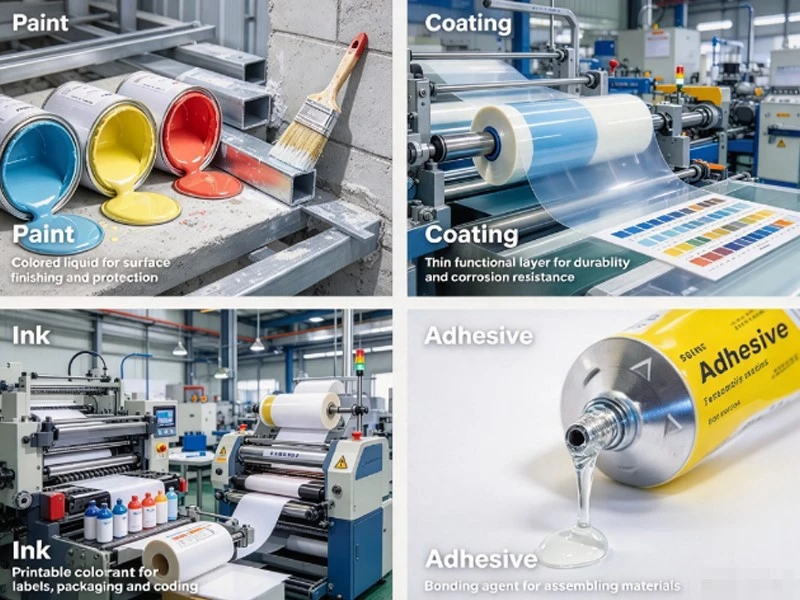
The best alternative to xylene depends on the function xylene performs in the formulation and the requirements of the finished product. Buyers should evaluate the replacement under the same production and application conditions used for the existing solvent.
| Application | Candidates to evaluate | Main performance tests |
|---|---|---|
| Architectural paints | Esters, glycol ethers, aliphatic hydrocarbons or blends | VOC, viscosity, drying, leveling |
| Industrial coatings | Hydrocarbons, esters, ketones or blends | Resin solvency, flash point, film formation |
| Plastic coatings | Low-aggression hydrocarbons or selected blends | Swelling, adhesion, surface appearance |
| Solvent-based inks | Esters, ketones, glycol ethers or blends | Resin dissolution, drying, print quality |
| Adhesives | Hydrocarbons, esters, ketones or blends | Tack, viscosity, open time, bond strength |
| Industrial cleaning | Hydrocarbons, esters or specialty cleaners | Cleaning power, residue, substrate compatibility |
Xylene Alternative for Paints and Coatings
A xylene alternative for paints and coatings should maintain the required resin solvency while providing an acceptable drying and film-forming profile. Buyers should compare viscosity, leveling, gloss, adhesion, drying time, and storage stability before approving the replacement.
For industrial coatings, replacing only the xylene component can change the balance between fast and slow solvents in the formulation. A solvent blend may therefore perform better than a one-for-one replacement.
Xylene Alternative for Inks
A xylene alternative for inks must provide sufficient resin dissolution while maintaining the drying speed and print quality required by the printing process. Ink manufacturers should evaluate resin compatibility, viscosity, drying rate, wetting, print definition, and residual solvent.
The suitable solvent can vary between different printing systems. Esters and ketones may be useful for some ink resins because their polarity provides solvency that aliphatic hydrocarbons may not provide.
Xylene Alternative for Cleaning
A xylene alternative for cleaning should be selected according to both the contaminant and the surface being cleaned. Hydrocarbon solvents can be considered for oils and grease, while esters or ketones may provide stronger cleaning action for certain coatings, adhesives, or organic residues.
The buyer should test the cleaning solvent on the actual substrate before production use. Plastics, rubber, painted surfaces, seals, and composite materials may respond differently to the same solvent.
4. Trade-offs and How to Switch
A xylene substitution can change several formulation properties at the same time, so buyers should evaluate the replacement as part of the complete solvent system. The most common changes involve solvency, evaporation, substrate compatibility, odor, flammability, and regulatory status.
Lower aromatic content can reduce solvency for certain resin systems. If this occurs, the buyer can evaluate a different solvent family or a blend instead of increasing the replacement solvent indiscriminately.
A different evaporation rate can change production and finished-product performance. Drying time, leveling, gloss, open time, and film appearance should be compared using the same application conditions.
Aromatic-free does not mean risk-free. Buyers still need to evaluate flammability, vapor exposure, occupational handling, transport classification, and other applicable safety requirements.
A practical substitution process is:
- Define the current specification. Record the resin, solids, viscosity, drying time, flash point, VOC target, substrate, and solvent ratio.
- Shortlist two or three candidates. Compare the TDS and SDS before requesting samples.
- Run controlled trials. Change one major variable at a time and keep other conditions constant.
- Validate the finished product. Check viscosity, drying, leveling, adhesion, gloss, stability, substrate compatibility, and regulatory requirements.
5. What Should Industrial Buyers Ask a Supplier?
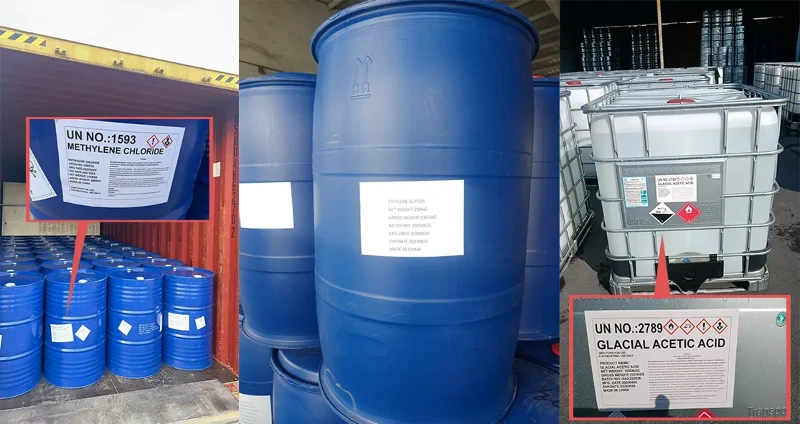
A reliable supplier should provide enough information for buyers to compare the replacement with their current xylene grade. Request the TDS, SDS, COA, specification, composition, purity, flash point, evaporation data, regulatory information, and sample availability.
For bulk procurement, also check batch consistency, packaging options, lead time, loading method, and technical support. A sample trial should be completed before commercial approval, especially when the solvent is used in coatings, inks, adhesives, or industrial cleaning.
Request the COA and technical data before approving a replacement solvent for bulk purchasing.
FAQ
What is the closest drop-in replacement for xylene?
There is no universal drop-in replacement. The closest option depends on the resin, application, evaporation requirements, substrate, and required solvency.
Can an aromatic-free solvent match xylene's solvency?
An aromatic-free solvent can provide sufficient performance in some formulations, but it may not provide the same solvency for every resin. Laboratory testing is required.
Is d-limonene a good xylene alternative?
d-Limonene can work in selected applications, but its evaporation, odor, oxidation behavior, and substrate compatibility differ from xylene. It should be tested before substitution.
What is the best xylene thinner alternative?
The best xylene thinner alternative depends on the coating or ink system. Esters, ketones, aliphatic hydrocarbons, or solvent blends may be considered according to the required viscosity, drying rate, and resin compatibility.
What should I ask a supplier before switching?
Ask for the TDS, SDS, COA, composition, purity, flash point, evaporation data, regulatory information, sample availability, and application recommendations.
Conclusion
The right xylene alternative is the one that meets the technical and purchasing requirements of the specific application. Buyers should compare solvency, evaporation, flash point, regulatory status, resin compatibility, substrate performance, supply consistency, and cost before making the switch.
Tianjin Gnee Biotech Co., Ltd. supplies industrial solvents and chemical raw materials to distributors and industrial buyers in multiple countries. For buyers evaluating a xylene replacement, we can provide product specifications, COA, TDS, SDS, samples, and packaging options for technical evaluation before bulk purchasing.
Need to evaluate a replacement solvent? Contact Tianjin Gnee Biotech Co., Ltd. to discuss your application, required specification, sample, and supply requirements.