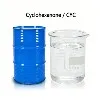

Ethyl acetate (CAS No. 141-78-6) is a commonly used ester solvent in industries such as coatings, printing inks, adhesives, pharmaceuticals, and chemical processing. In practical applications, it is often chosen for its boiling point and evaporation characteristics. However, the chemical structure of ethyl acetate is the underlying factor that governs its solubility behavior and polarity, both of which have a direct impact on formulation performance and process stability.
As a professional ethyl acetate manufacturer and raw material supplier, Gneebio shares the following technical overview to help industrial users better understand how molecular structure translates into real-world solvent performance.
Contact us today for COA, MSDS, and the latest price of Ethyl acetate (CAS No. 141-78-6).
Chemical Structure of Ethyl Acetate
Ethyl acetate is an ester formed by the reaction of ethanol and acetic acid.
Its molecular structure can be represented as:
- CH₃–COO–CH₂–CH₃
Key structural components include:
- An ester functional group (–COO–)
- A carbonyl group (C=O)
- An ethyl group (–CH₂CH₃)
This structure gives ethyl acetate both polar and nonpolar characteristics, which is the basis for its broad solvency.
How Molecular Structure Determines Polarity
Polarity in organic solvents is largely influenced by:
- The presence of polar functional groups
- The symmetry of the molecule
- The balance between polar and hydrocarbon segments
In ethyl acetate:
- The carbonyl (C=O) and ester linkage introduce polarity
- The ethyl group contributes nonpolar hydrocarbon character
As a result, ethyl acetate is considered a moderately polar solvent-more polar than hydrocarbons such as hexane, but less polar than alcohols like methanol or ethanol.

Structural Influence on Solubility
Solubility in Organic Materials
Because of its ester structure, ethyl acetate dissolves:
- Nitrocellulose
- Acrylic and vinyl resins
- Many oils and waxes
- A wide range of organic intermediates
The ester group allows dipole–dipole interactions with polar functional groups in solutes, while the ethyl chain improves compatibility with nonpolar components.
Limited Water Solubility
Despite having polar groups, ethyl acetate is only slightly soluble in water.
This is because:
- The hydrophobic ethyl group limits hydrogen bonding with water
- The molecule cannot form strong hydrogen-bond networks like alcohols
This property is advantageous in coatings and inks, where excessive water miscibility could negatively affect film formation or drying behavior.
Comparison of Polarity with Common Solvents
From a structural perspective:
- Hexane: Nonpolar hydrocarbon, no polar functional groups
- Ethyl acetate: Ester group + hydrocarbon chain → moderate polarity
- Methanol: Hydroxyl group (–OH) → high polarity and hydrogen bonding
Ethyl acetate's molecular structure places it between nonpolar and highly polar solvents, offering a balance that supports stable formulations and predictable drying performance.
👉 Contact Gneebio to request COA, MSDS, and a competitive quotation.
ethyl acetate use
- Solvent Applications: Due to its excellent solvent properties, ethyl acetate is widely used as a solvent in paints, inks, and adhesives.
- Fragrances and Cosmetics: Ethyl acetate possesses a distinctive fruity and floral aroma, making it a flavor enhancer in numerous perfumes, cosmetics, and food products.
- Pharmaceutical Industry: Ethyl Acetate Chemical also plays a significant role in pharmaceutical applications. It serves as a solvent and carrier for certain drugs and is utilized in the synthesis of specific pharmaceutical compounds.
- Food Processing: Ethyl Acetate liquid finds use in the food industry as a food additive, particularly as a component in artificial flavors and seasonings.
- Laboratory Applications: In laboratory settings, it is employed for the extraction, separation, and purification of compounds.
Packaging & Bulk Supply
To meet different purchasing needs, Gneebio offers flexible packaging options:
- 180 kg steel drums
- 1000 kg IBC tanks
- Bulk ISO tank supply
MOQ and packaging can be customized based on your order volume and destination port.
Export & Compliance Support
As an experienced ethyl acetate exporter, Gneebio supports global shipments with complete documentation:
- MSDS (Material Safety Data Sheet)
- COA (Certificate of Analysis)
- TDS (Technical Data Sheet)
- REACH compliance support (if required)
We regularly export ethyl acetate to Asia, the Middle East, South America, and other international markets.
Why Choose Gneebio as Your Ethyl Acetate Supplier?
- Direct manufacturer with stable production capacity
- Consistent quality and strict QC standards
- Competitive bulk pricing
- Fast response for MSDS & COA requests
- Rich export experience and reliable logistics support
- Our goal is to build long-term partnerships by supplying reliable ethyl acetate at competitive prices.
Get Ethyl Acetate Price & Technical Documents
Looking for ethyl acetate price per ton or bulk supply details?
📩Contact Gneebio today to receive:
- Latest ethyl acetate price
- MSDS & COA
- Packaging and MOQ details
- Technical consultation
- We will respond within 24 hours.