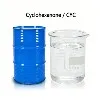

Ethylene glycol shows up in more places than most people expect - antifreeze and coolant, PET bottles, polyester fabric, the heat-transfer loop running through an HVAC system. It's a colorless, water-soluble diol, and pretty much everything it's used for traces back to the same short list of physical properties: a low freezing point, a high boiling point, and near-total miscibility with water. This guide covers what ethylene glycol actually is, how those properties turn into specific industrial applications, and what matters when you're sourcing it in bulk.
What Is Ethylene Glycol?
Chemical Name and Formula
| Property | Value |
|---|---|
| Chemical Name | Ethylene Glycol |
| Common Name | Mono Ethylene Glycol (MEG) |
| CAS No. | 107-21-1 |
| Molecular Formula | C₂H₆O₂ |
| Molecular Weight | 62.07 g/mol |
| Appearance | Clear, colorless liquid |
Key Characteristics
Fully soluble in water, low freezing point, unusually high boiling point for its molecular size, decent heat-transfer performance, hygroscopic, and comparatively low viscosity. None of these are exotic properties on their own - plenty of compounds have one or two of them. What makes ethylene glycol useful is having all of them at once, in a molecule cheap enough to produce at industrial scale.

Ethylene Glycol Properties
| Property | Typical Value |
|---|---|
| Molecular Weight | 62.07 g/mol |
| Boiling Point | About 197°C |
| Freezing Point | About -13°C |
| Density | About 1.11 g/cm³ at 20°C |
| Water Solubility | Completely miscible |
| Flash Point | About 111°C |
These are reference figures, not a spec sheet - actual values shift a bit by producer, grade, and test method, so treat the supplier's TDS and COA as the numbers that count for a purchase decision.
Why These Properties Actually Matter
A low freezing point is what makes antifreeze possible in the first place. A high boiling point is what keeps coolant from boiling off under engine heat. Full water miscibility is why ethylene glycol blends into water-based systems instead of separating out. Good heat-transfer performance is the reason it ends up in industrial cooling loops. And its molecular structure - two hydroxyl groups on a short carbon chain - happens to be exactly what's needed to react with terephthalic acid and build polyester. Every application below comes back to one of these.
What Is Ethylene Glycol Used For?
| Application | Main Function |
|---|---|
| Antifreeze & Coolants | Freeze protection and thermal management |
| PET Production | Raw material for PET resin |
| Polyester Fiber | Raw material for polyester |
| Heat Transfer Fluids | Temperature control |
| Deicing Fluids | Lowering freezing point |
| Polyester Resins | Chemical intermediate |
| Oil & Gas | Gas hydrate inhibition |
The first two account for most of global demand, so they get the closest look below.

Ethylene Glycol in Antifreeze and Coolants
Why It's Used in Antifreeze
Ethylene glycol lowers the freezing point of water and raises its boiling point at the same time. That's really the whole mechanism - a wider liquid range means the coolant stays functional through winter cold and summer engine heat instead of freezing solid or boiling off at either extreme.
Ethylene Glycol in Engine Coolant
In practice that means freeze protection, efficient heat pulled away from the engine, and stable operating temperature across normal driving conditions. It's why ethylene glycol coolant is still the automotive default, not water on its own and not an alcohol-based substitute.
Ethylene Glycol-Water Mixtures
Nobody runs pure ethylene glycol in a cooling system - it's blended with water, and the ratio between the two sets the finished freezing point. More glycol generally means better freeze protection, up to a point, but the exact ratio depends on the system, the climate it's operating in, and the coolant manufacturer's own spec rather than a fixed formula.
Ethylene Glycol in PET and Polyester Production
Ethylene Glycol in PET Production
PET is made by reacting ethylene glycol with terephthalic acid. That reaction builds the polymer backbone the resin is made of - so ethylene glycol isn't an additive here, it's one of the two raw materials PET is literally built from.
Ethylene Glycol for Polyester Fiber
Run the same reaction with different molecular weight targets and you get polyester fiber instead of resin. From there it splits into two directions: textiles on one side, packaging - bottles, films, containers - on the other.
Why Purity Matters More Here
Because ethylene glycol is a building block of the polymer rather than something mixed in and processed out, its purity carries straight through into the final product. Water content, color, trace impurities - all of it affects polymerization stability and resin quality, which is why PET producers tend to run tighter specs than most other end users of ethylene glycol.
Ethylene Glycol for Heat Transfer Applications
Anywhere a system needs efficient heat transfer and freeze protection at the same time, ethylene glycol-water solutions are the go-to - HVAC systems, industrial cooling loops, chilled-water systems, secondary cooling circuits. Water alone transfers heat well but can't survive a hard freeze; ethylene glycol fixes that without giving up much thermal performance in exchange.
Other Industrial Applications of Ethylene Glycol
- Deicing fluids. Same freezing-point depression, different job - aircraft deicing, runway deicing, and other cold-weather operations run on it.
- Polyester resins. Beyond fiber and PET, ethylene glycol also goes into unsaturated polyester resins used in fiberglass-reinforced composites and various industrial materials.
- Oil and gas. In gas processing, it's used for hydrate inhibition and in some dehydration applications, keeping ice-like hydrate crystals from forming and blocking flow under high-pressure, low-temperature conditions.
How Is Ethylene Glycol Produced?
Two steps, broadly: ethylene gets converted to ethylene oxide, then ethylene oxide reacts with water to form ethylene glycol. The crude product goes through distillation from there, removing excess water and controlling impurity levels before final quality testing.
That distillation step is where consistency actually gets decided - tighter control generally means less carryover of unwanted byproducts. It matters more for some end uses (PET production) than others (general coolant blending), but it affects overall product quality either way.
Ethylene Glycol vs. Propylene Glycol
| Factor | Ethylene Glycol | Propylene Glycol |
|---|---|---|
| Thermal Performance | Higher | Lower |
| Viscosity | Lower | Higher |
| Toxicity | Higher | Lower |
| Common Use | Automotive / industrial | Food-related and lower-toxicity systems |
| Water Solubility | Fully miscible | Fully miscible |
Which One Should You Buy?
There's no universal winner - it comes down to what the application actually requires. Ethylene glycol usually wins on thermal performance, viscosity, and cost, which is why it's the default across automotive and most industrial cooling. Propylene glycol gets picked instead when toxicity limits, regulatory requirements, or the operating environment call for it. Weigh thermal performance against toxicity constraints and cost for your specific system, and the answer usually becomes clear.
Ethylene Glycol Safety, Storage, and Handling
- Is it toxic? Yes - ethylene glycol is toxic if ingested, and should be handled with proper containers, correct labeling, and PPE where the situation calls for it.
- Storage. Keep containers sealed, store somewhere cool, dry, and well ventilated, and keep it away from incompatible materials. Beyond that, follow the specific product's SDS.
- Spills and disposal. Contain spills promptly, use appropriate absorbents, and prevent environmental release. Disposal requirements vary by jurisdiction, so check local regulations rather than relying on general guidance.
What Should Buyers Check When Purchasing Ethylene Glycol?
- Specifications that actually matter: purity, water content, color, acidity, and - depending on the application - DEG/TEG content and density. A PET producer and a coolant blender aren't necessarily prioritizing the same numbers on that list.
- Documentation to ask for: a Certificate of Analysis (COA), Technical Data Sheet (TDS), and Safety Data Sheet (SDS/MSDS) should be standard from any supplier worth working with, along with a Certificate of Origin when customs requires it.
- Packaging for bulk orders: drums, IBC totes, flexitanks, and ISO tanks are the usual options, and the right choice comes down to order volume and how your facility is set up to receive it.
Frequently Asked Questions
What is ethylene glycol used for?
Mostly antifreeze and coolant, PET and polyester production, and industrial heat-transfer fluids - with smaller-volume uses in deicing fluids, polyester resins, and gas hydrate inhibition.
What are the main properties of ethylene glycol?
Full water solubility, a low freezing point (around -13°C), a high boiling point (around 197°C), solid heat-transfer performance, and comparatively low viscosity.
Is ethylene glycol soluble in water?
Yes, completely - it mixes with water in essentially any ratio, which is central to how it works in coolant and heat-transfer applications.
Why is ethylene glycol used in antifreeze?
It lowers water's freezing point and raises its boiling point, giving the coolant a much wider working temperature range than water alone.
Is ethylene glycol used in PET production?
Yes - it reacts with terephthalic acid to form PET's polymer backbone, making it one of the two core raw materials in PET resin and polyester fiber.
What's the difference between ethylene glycol and propylene glycol?
Ethylene glycol tends to perform better thermally and costs less; propylene glycol is less toxic. The right pick depends on your application's toxicity requirements and operating conditions.
Is ethylene glycol toxic?
Yes, it's toxic if ingested - handle and store it according to the product's SDS.
What should I check when buying ethylene glycol?
Purity, water content, color, acidity, and application-specific requirements like DEG/TEG content - and make sure the supplier can back it up with a COA, TDS, and SDS.
Conclusion
A short list of physical properties - water solubility, a wide liquid range, efficient heat transfer - happens to line up almost perfectly with what several major industries need, which is why ethylene glycol ends up everywhere from car radiators to PET bottles. Antifreeze, coolant, and PET/polyester production account for most of the demand; deicing, polyester resins, and oil and gas fill in the rest. For buyers, the properties matter less as abstract numbers than as a match against a specific spec sheet - purity, documentation, and reliable supply are usually what actually decide whether a given batch works for the job.
Contact us for ethylene glycol specifications, COA, SDS, packaging options, and bulk quotation.