What is HDPE Plastic Material?
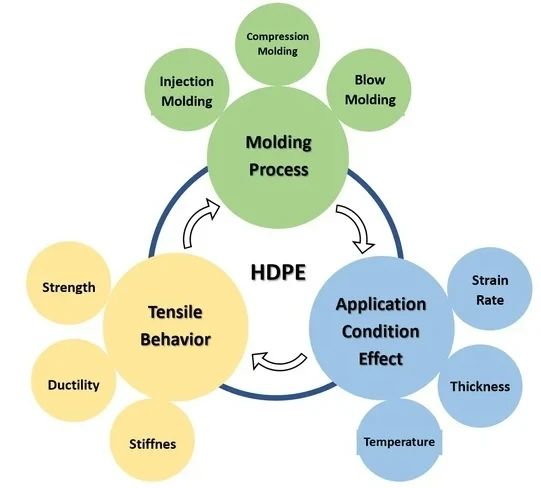
High Density Poly Ethylene (HDPE) is a thermoplastic polymer made from petroleum. As one of the most versatile plastic materials around, HDPE plastic is used in a wide variety of applications, including plastic bottles, milk jugs, shampoo bottles, bleach bottles, cutting boards, and piping. Known for its outstanding tensile strength and large strength-to-density ratio, HDPE plastic has a high-impact resistance and melting point.
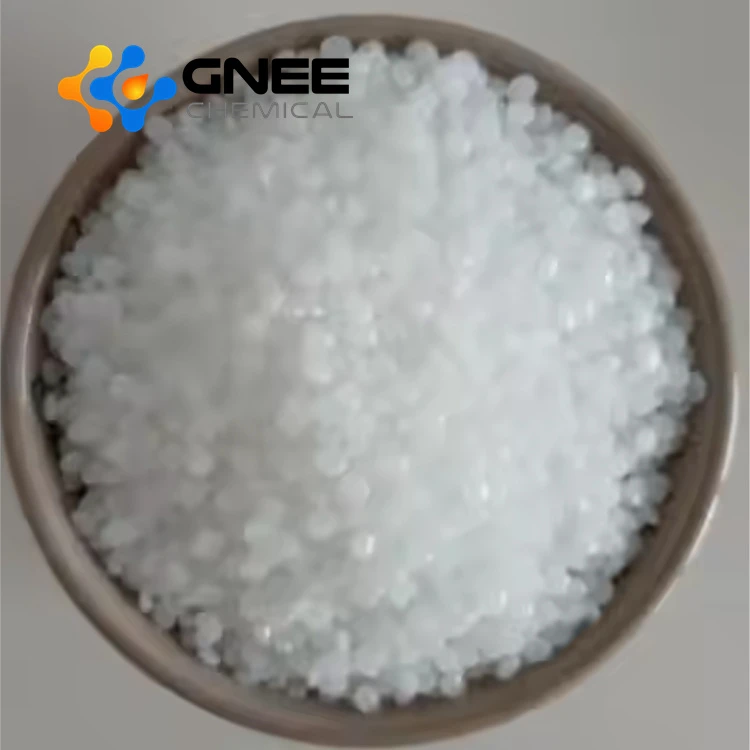
HDPE Raw Material
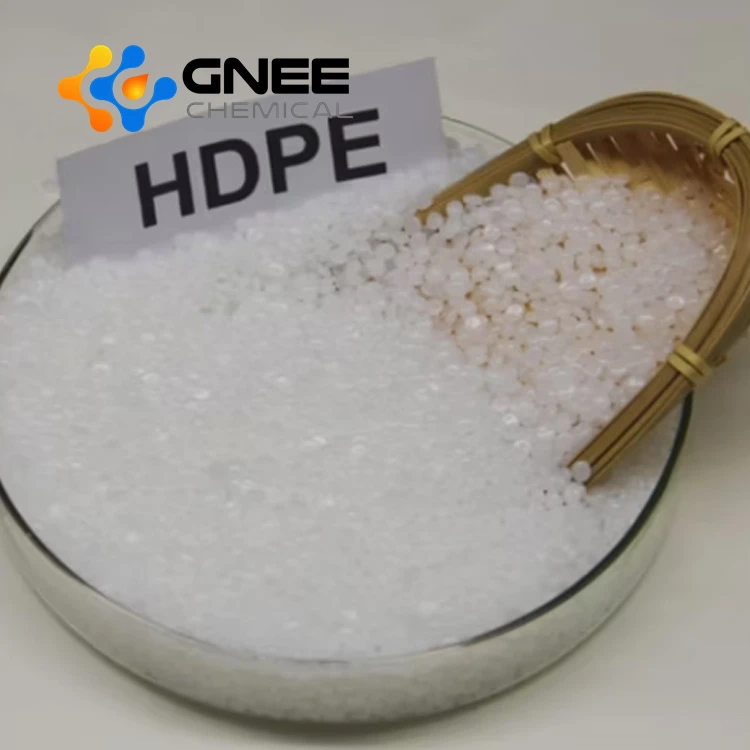
Natural HDPE Raw Materials
Click here to get the latest quote
What are the HDPE processing techniques?
HDPE is suitable for various thermoplastic molding processes, including injection molding, extrusion, blow molding, rotary molding, coating, foaming, thermoforming, thermal sealing, welding, and thermal welding.
- Injection Molding: This technique involves melting HDPE pellets and injecting the molten material into a mold. It is suitable for producing a wide range of items from household goods to industrial components.
- Blow Molding: Blow molding, which is primarily used to make hollow items such as bottles, consists of inflating a heated high-density polyethylene tube (parison) inside a mold. As the air fills the parison, it expands to fit the shape of the mold. This method is effective in producing large quantities of the same product and creates lightweight, durable containers.
- Extrusion Molding: In this process, high-density polyethylene is melted and forced through a die to form long strips such as pipe, sheet or film. The material is continuously passed through the die, resulting in high productivity. Extrusion is commonly used in the manufacture of pipes and packaging materials.