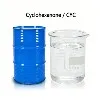

Isopropyl alcohol, also known as isopropanol or IPA, is one of the most widely used solvents and disinfectants in industry and healthcare. With the CAS number 67-63-0 and the molecular formula C3H8O, it is a secondary alcohol whose chemical properties explain its versatility in applications ranging from circuit board cleaning to pharmaceutical processing.
What Is Isopropyl Alcohol?
Isopropyl alcohol is the simplest secondary alcohol, with the structure CH3-CH(OH)-CH3 and a molecular weight of 60.10 g/mol. It is produced industrially by the hydration of propylene, either directly or via the sulfate process. The compound is a colorless, transparent liquid with a mild, ethanol-like odor and a purity that can reach 99.9% in high-purity grades used for electronics and pharmaceutical applications.
Key Chemical and Physical Properties
Molecular formula: C3H8O; molecular weight: 60.10 g/mol
Appearance: colorless, transparent liquid with an odor similar to ethanol
Density: approximately 0.785 to 0.795 g/cm³ at 20 °C
Boiling point: approximately 82.6 °C at 101.3 kPa
Melting point: approximately -89.5 °C
Flash point: approximately 12 °C (closed cup), flammable liquid
Refractive index: approximately 1.377 at 20 °C
Solubility: fully miscible with water, ethanol, diethyl ether, acetone and most organic solvents
Vapor pressure: approximately 44 mmHg at 25 °C, producing a readily ignitable vapor
Chemical Reactivity and Stability
Isopropyl alcohol is chemically stable under normal storage conditions, but as a secondary alcohol it participates in characteristic reactions. Oxidation converts it to acetone (propanone), a reaction used both in laboratory synthesis and in industrial catalytic dehydrogenation. It forms isopropyl esters such as isopropyl acetate and isopropyl myristate by esterification with acids, and it can be dehydrated to propene over acid catalysts at elevated temperature. Because it is miscible with water, isopropanol forms an azeotrope with water at approximately 87.7 wt% isopropanol, boiling at about 80.4 °C, which is important in distillation and recovery operations.
Main Applications Driven by Its Properties
Disinfectant: isopropyl alcohol is effective against bacteria and viruses, and 70% v/v aqueous solutions are widely used in healthcare for skin antisepsis and instrument disinfection
Solvent: excellent solvency for oils, resins and gums makes IPA a standard solvent in paints, coatings, cosmetics and cleaning products
Electronics cleaning: its fast evaporation and residue-free drying make it the preferred agent for removing flux, grease and contaminants from circuit boards and precision components
Laboratory reagent: used in DNA and RNA precipitation, sample preparation and general laboratory cleaning
Chemical intermediate: raw material for the production of acetone, isopropyl acetate and other derivatives
Additive: used in antifreeze formulations, aerosol products and extraction processes
Safe Handling Considerations
Isopropyl alcohol is a Class 2 flammable liquid with a flash point near 12 °C, so it must be kept away from open flames, sparks and hot surfaces. Vapors are heavier than air and can travel along the floor to distant ignition sources. Work in well-ventilated areas, use grounded containers during transfer, and store the product in tightly closed containers in a cool, dry place protected from direct sunlight. Wear chemical-resistant gloves and safety goggles, and note that high concentrations can irritate the eyes and respiratory tract.
Frequently Asked Questions
What is the chemical formula of isopropyl alcohol?
Isopropyl alcohol has the formula C3H8O, with the structure CH3-CH(OH)-CH3, and the CAS number 67-63-0.
Is isopropyl alcohol flammable?
Yes. Its closed-cup flash point is approximately 12 °C, classifying it as a flammable liquid, and its vapor can form explosive mixtures with air.
What is the density of isopropyl alcohol?
The density of isopropyl alcohol is approximately 0.785 to 0.795 g/cm³ at 20 °C, which is lower than the density of water.
Does isopropyl alcohol mix with water?
Yes, isopropyl alcohol is fully miscible with water in all proportions. The mixture forms an azeotrope at about 87.7 wt% isopropanol that boils at approximately 80.4 °C.
What happens when isopropyl alcohol is oxidized?
Oxidation of isopropyl alcohol yields acetone (propanone), and the reaction proceeds readily with strong oxidizing agents or catalytic dehydrogenation.
What purity is typical for isopropyl alcohol?
Industrial grades typically have a purity of at least 99%, while high-purity grades used in electronics and pharmaceutical applications reach 99.9% or higher.