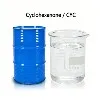

Yes, glycol can cause plastic containers to fail, especially if the plastic is not proof against glycol. Over time, glycol can cause positive plastics to degrade, main to brittleness, cracking, and in the end, failure of the field.

glycol solvents, a class of organic compounds containing two hydroxyl groups, stand out for their unique properties and broad application potential. Represented by ethylene glycol, propylene glycol, and Diethylene Glycol, these compounds are valued for their high boiling points, low volatility, excellent solubility, and chemical stability, making them indispensable across various industries.
glycol solvents can effectively dissolve a wide range of organic and inorganic substances. Their high stability also makes them resistant to oxidation and decomposition, making them ideal as reaction media. Additionally, their relatively low toxicity contributes to safer handling and use in industrial settings.
In practical applications, glycol solvents are widely used in paints and coatings for dissolving resins and pigments. In the plastics industry, they serve as key raw materials in the production of polyesters and polycarbonates. In pharmaceuticals, they play an important role in the formulation of drugs such as antibiotics and pain relievers. The cosmetics industry also benefits from their inclusion in products like perfumes and shampoos.
Overall, glycol solvents have become essential components in industrial manufacturing, thanks to their versatile performance and safety profile.

Why Choose Gneebio for Glycol Supply?
At Gneebio, we specialize in high-purity chemical raw materials and offer bulk Glycol with strict quality control. Our products are:
✔ ISO9001 & SGS Certified
✔ Delivered in customizable packaging
✔ Backed by fast logistics and global shipping
✔ Supported by technical consultation and MSDS


We supply Glycol for use in antifreeze production, natural gas dehydration, textile chemicals, and more.
Our hot-selling products include aromatic hydrocarbons (Naphtha (petroleum), Benzene, Toluene, o-Xylene, Styrene, Cyclohexane, Cyclohexanone, Epsilon-Caprolactam, 2-Anilinoethanol, etc.), alcohols (Ethylene Glycol, 1-Butanol, 2-Methyl-1-Propanol, Ethyl Alcohol, etc.), phenols and ketones (Phenol, Propafenone, Bisphenol A, Phenyl Methacrylate, Methyl Isobutyl Ketone, Phenolic Resin, etc.), and petrochemicals.