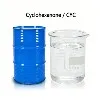

What Is 1-Butanol
1-Butanol (CAS 71-36-3), with the chemical formula CH3CH2CH2CH2OH, is a colorless liquid with an alcohol-like odor. It has a boiling point of about 117.7 degrees Celsius and is slightly soluble in water. 1-Butanol finds extensive industrial applications: it serves as a key solvent in various coatings and is a critical raw material for producing the plasticizer dibutyl phthalate. It is also used in manufacturing chemicals such as butyl acrylate, butyl acetate and butyl glycol ether, and functions as an intermediate in organic synthesis and an extractant for biochemical drugs.
Usage Precautions
1-Butanol is a flammable liquid with a flash point of approximately 35 degrees Celsius. Keep it away from ignition sources and heat sources, such as alcohol lamps and heaters, during use, and never operate near open flames. Ensure the work area is well-ventilated to prevent vapor accumulation and the formation of explosive mixtures. Wear protective gloves, safety goggles and a respirator to avoid direct skin contact and vapor inhalation, and if contact occurs, immediately rinse with copious amounts of water. Do not store or use 1-butanol in combination with strong oxidizing agents, strong acids or strong alkalis, to prevent chemical reactions.
Storage Precautions
Store 1-butanol in a cool, dry, well-ventilated warehouse at temperatures below 30 degrees Celsius, away from ignition sources and heat. Use containers with excellent sealing properties, such as iron drums or plastic drums, to prevent vapor leakage. Equip the storage area with firefighting equipment, such as dry powder extinguishers and foam extinguishers, and strictly prohibit smoking and open flames. Store 1-butanol separately from oxidizers, acids and alkalis, avoid stacking under heavy pressure to prevent container damage, and implement static electricity prevention measures to avoid hazards caused by static buildup.
Transport and Handling
During transport, 1-butanol must be carried in certified containers that comply with dangerous goods regulations, with the labels and documentation in place. The vehicle should be grounded against static, and the load secured to prevent container damage. Personnel involved in loading and unloading should use the same protective equipment as in the workplace, and spill kits should be available in case of leakage during transfer.
Emergency Response
In case of a spill, contain the liquid with absorbent materials, ventilate the area and eliminate ignition sources, then dispose of the absorbed material according to regulations. In case of skin contact, remove contaminated clothing and rinse with water; in case of eye contact, flush with water for at least 15 minutes and seek medical attention; in case of inhalation, move to fresh air and seek medical help if symptoms persist. The SDS should be accessible at the point of use.
Frequently Asked Questions
What is the flash point of 1-butanol? approximately 35 degrees Celsius, making it a flammable liquid.
What temperature should storage stay below? Below 30 degrees Celsius, in a cool, dry, ventilated warehouse.
What PPE is needed when handling 1-butanol? Protective gloves, safety goggles and a respirator, to prevent skin contact and vapor inhalation.
What must 1-butanol be kept away from? Strong oxidizers, strong acids, strong alkalis, ignition sources and heat.
What firefighting equipment suits butanol fires? Dry powder and foam extinguishers, with smoking and open flames prohibited in the area.