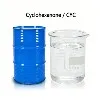

Monoethylene glycol, also called MEG or ethylene glycol, is a colorless, odorless, hygroscopic liquid with the CAS number 107-21-1 and the formula C2H6O2. In the production of polyethylene terephthalate (PET), MEG is polymerized with purified terephthalic acid to produce the resin used for bottles, films and fibers. The purity of the MEG charged to the process is one of the most important variables controlling product quality.
What Is PET-Grade MEG?
PET-grade MEG is a specification of ethylene glycol intended for polyester polymerization. While industrial-grade ethylene glycol is commonly specified at a minimum purity of 99.0%, PET-grade material is a higher-requirement specification that typically guarantees a purity of 99.8% or higher. Some producers supply fiber-grade or bottle-grade MEG with even tighter internal specifications to satisfy downstream quality programs.
Purity Requirements for PET-Grade Ethylene Glycol
The core requirement is a purity of at least 99.8% by gas chromatography. In practice, the specification is defined not only by the main component assay but also by the controlled levels of impurities that interfere with polymerization. Water, diethylene glycol (DEG), aldehydes, organic acids and trace metal ions are the impurities that receive the most attention, because each of them has a measurable effect on the polymerization reaction and on the properties of the finished polymer.
Key Specification Parameters
| Parameter | Typical PET-Grade Value | Why It Matters |
|---|---|---|
| Purity (GC) | ≥ 99.8% | Guarantees the main-component content for stoichiometric control |
| Water content | ≤ 0.1% | Water consumes catalyst and shifts the esterification equilibrium |
| Color (Pt-Co, APHA) | ≤ 5 to 10 | Directly influences polymer color and bottle clarity |
| Acidity (as acetic acid) | ≤ 0.001% | Acids retard polycondensation and affect catalyst activity |
| Aldehydes (as acetaldehyde) | ≤ 10 ppm | Aldol and degradation products cause yellowing and odor |
| Diethylene glycol | Low, per specification | Affects melting point, crystallinity and barrier properties |
| Iron and other metals | ≤ 0.1 ppm each | Metal ions catalyze degradation and cause discoloration |
Values shown are typical published ranges and may vary between producers; the applicable certificate of analysis for each lot should be used as the reference.
Why High Purity Matters in PET Production
Impurities in MEG act through several mechanisms. Water and acids consume the polymerization catalyst and slow the reaction. Aldehydes and metal ions promote thermal degradation, which produces colored species and raises the acetaldehyde content of the final resin, a critical parameter for food-contact bottles. Diethylene glycol formed during processing lowers the melting point and crystallinity of PET and reduces its barrier properties. High-purity MEG therefore protects both process stability and final product performance, including intrinsic viscosity, color and safety for food contact.
Applications of PET-Grade MEG
PET resin for beverage bottles, containers and packaging films
Polyester fiber for textiles, home furnishings and industrial fabrics
Unsaturated polyester resins for pipes, storage tanks and fiberglass products
Engineering plastics and sheet for thermoforming
Coatings and adhesives where controlled reactivity is required
Quality Control and Verification
Quality verification of PET-grade MEG starts with the certificate of analysis supplied with each lot. Main-component purity is measured by gas chromatography, water by Karl Fischer titration, color by the APHA (Pt-Co) scale, acidity by titration, and aldehydes by wet-chemical or chromatographic methods. Buyers should confirm that the specification, the analytical methods and the typical values are documented, and should verify that storage and transfer practices prevent water pickup and contamination before the material reaches the polymerization unit.
Frequently Asked Questions
What purity is required for PET-grade MEG?
PET-grade ethylene glycol is typically specified at 99.8% purity or higher, while some high-end specifications call for 99.9% or a tightened impurity profile.
What is the difference between PET grade and industrial grade MEG?
Industrial-grade MEG is commonly specified at a minimum purity of 99.0%, whereas PET grade adds stricter controls on water, color, acidity, aldehydes and trace metals to protect polymerization quality.
Why does MEG purity matter for PET production?
Impurities slow the polymerization, consume catalyst, cause polymer discoloration, raise acetaldehyde levels and degrade the mechanical and barrier properties of the final PET product.
What are the typical impurities in MEG?
The most relevant impurities are water, diethylene glycol, aldehydes such as acetaldehyde, organic acids and trace metal ions such as iron.
How is MEG purity measured?
Purity is measured by gas chromatography, water by Karl Fischer titration, color by the APHA Pt-Co scale, and acidity by titration. Results are reported on the certificate of analysis.
Is PET-grade MEG the same as fiber-grade MEG?
They are closely related. Both require a high purity of 99.8% or above for polyester production, and the exact specification may differ slightly depending on whether the polymer is destined for fiber, film or bottle applications.