
Glacial acetic acid, also known as anhydrous acetic acid, is a carboxylic acid with the molecular formula C₂H₄O₂. The term glacial refers to acetic acid with a concentration of at least 99%, which solidifies into ice-like crystals below about 16.6 °C. Because of its high acidity and strong volatility, glacial acetic acid (CAS 64-19-7) is both a versatile chemical raw material and a substance that demands careful handling. This article focuses on its hazards and the safety measures needed to work with it.
Main Uses of Glacial Acetic Acid
Glacial acetic acid is widely consumed across industries:
Industrial applications: it is used to synthesize vinyl acetate, a monomer for paints and adhesives, and terephthalic acid, a raw material for PET plastics. A large share of global acetic acid consumption goes into such chemical production.
Textile processing: it acts as a pH adjuster in dyeing to ensure uniform dye adsorption.
Laboratory use: diluted acetic acid solutions prepare buffers such as the acetic acid-sodium acetate buffer in the pH 4.0-5.5 range, and 3%-5% dilutions are used for protein precipitation.
Medical use: high concentrations are applied professionally for wart cauterization, and 2%-3% dilutions are used to treat external ear infections, always under professional supervision.
Food applications: food-grade acetic acid (E260) is used in pickling and seasonings, subject to food safety limits.
Typical Specification and Packaging
The table below lists typical specification values for glacial acetic acid. Values may vary slightly between production batches and test methods.
| Property | Value |
|---|---|
| Fusing Point | 16.6 °C |
| Boiling Point | 117.9 °C |
| Density | 1.05 g/cm³ |
| Flash Point | 39 °C (closed cup) |
| Refractive Index | 1.371 at 20 °C |
| Saturated Vapor Pressure | 1.52 kPa at 20 °C |
| Critical Temperature | 321.6 °C |
| Critical Pressure | 5.78 MPa |
| Ignition Temperature | 426 °C |
| Explosion Limits | 5.4% – 16.0% by volume |
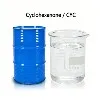
Common packaging options for industrial supply include 30 kg and 220 kg plastic or steel drums, and 1,050 kg IBC containers. Loading quantities per 20-foot container depend on package size and transport regulations.
Health Hazards of Glacial Acetic Acid
Glacial acetic acid is strongly corrosive and irritating. The main routes of exposure are skin contact, eye contact, inhalation of vapors, and ingestion.
Skin contact: high concentrations cause severe chemical burns with redness, swelling, blistering, and tissue necrosis. Prolonged low-level exposure can cause dry, cracked skin and dermatitis.
Eye injury: splashes can damage the cornea, cause conjunctivitis, or even lead to permanent visual impairment. Eyes must be flushed immediately with large amounts of water and medical attention sought without delay.
Respiratory tract irritation: inhalation of vapors strongly irritates the mucous membranes, causing coughing, sore throat, and breathing difficulty; severe exposure may lead to pulmonary edema.
Digestive system injury: accidental ingestion can cause severe burns to the mouth, esophagus, and stomach, with intense pain, nausea, vomiting, and possible perforation of the digestive tract.
Systemic effects: large absorbed doses can affect multiple organ systems through the bloodstream and lead to serious conditions such as metabolic acidosis.
Safe Handling and Storage Practices
When working with glacial acetic acid, wear chemical-resistant gloves, safety goggles, a face shield, and appropriate respiratory protection. Ensure the workplace is well ventilated and equipped with emergency flushing equipment. Store the material in corrosion-resistant, tightly sealed containers, away from heat sources and incompatible chemicals such as strong oxidizers and bases. During transport, apply winter insulation or temperature control because the product can solidify at low temperatures, and always follow the safety data sheet and local regulatory requirements.
Emergency Response Essentials
In case of skin contact, remove contaminated clothing and rinse the affected area with plenty of water for at least 15 minutes. For eye contact, flush the eyes continuously with clean water and seek immediate medical care. If vapors are inhaled, move the person to fresh air and keep them at rest. Do not induce vomiting after ingestion; rinse the mouth and contact a poison center or physician immediately. Fire involving glacial acetic acid should be fought with alcohol-resistant foam, carbon dioxide, or dry chemical, and firefighters must wear self-contained breathing apparatus.
Frequently Asked Questions
Why is acetic acid called glacial?
Acetic acid at 99% or higher concentration freezes into ice-like crystals at about 16.6 °C, so the solidified material resembles ice, giving it the name glacial.
Is glacial acetic acid dangerous to handle?
Yes. It is strongly corrosive and irritating. It can burn the skin and eyes, irritate the respiratory tract, and cause severe internal injury if ingested, so appropriate protective equipment is essential.
What should I do if glacial acetic acid splashes into my eyes?
Flush the eyes immediately with large amounts of clean water for at least 15 minutes, holding the eyelids open, and seek urgent medical attention.
Can glacial acetic acid be used as a food additive?
Food-grade acetic acid, designated E260, is permitted in pickling and seasoning applications within regulated limits, but industrial-grade glacial acetic acid must not be used for food purposes.
How is glacial acetic acid usually packaged?
It is commonly supplied in 30 kg or 220 kg plastic or steel drums and 1,050 kg IBC containers, depending on order volume and transport requirements.
Is glacial acetic acid flammable?
It has a flash point of about 39 °C and can form explosive vapor mixtures in air between roughly 5.4% and 16.0% by volume, so it must be kept away from ignition sources.