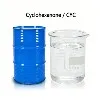

Concept Clarification: Are mono ethylene glycol and ethylene glycol the same thing
In industrial practice, Mono Ethylene Glycol (MEG) and Ethylene Glycol (EG) refer to the same chemical compound with the molecular formula C₂H₆O₂. The difference is mainly related to naming conventions used in chemical literature, production systems, and trade documentation.
In general chemical terminology, the compound is referred to as Ethylene Glycol, while in industrial supply chains and manufacturing specifications, Mono Ethylene Glycol is more commonly used to distinguish it from other glycol derivatives.
From an engineering and procurement perspective, both names are treated as interchangeable, and refer to the same material in most industrial applications.
The ethylene glycol family mainly includes three categories, among which mono ethylene glycol is the most fundamental product:
| Name | Abbreviation | Molecular Formula | Main Application Positioning |
|---|---|---|---|
| Mono Ethylene Glycol | MEG | C2H6O2 | Primary industrial raw material of ethylene glycol |
| Diethylene Glycol | DEG | C4H10O3 | By-product of MEG production, mainly for plasticizers |
| Triethylene Glycol | TEG | C6H14O4 | Special-purpose material for natural gas dehydration and other fields |
Properties of Mono Ethylene Glycol (MEG/EG)
Basic Physical Properties
Mono Ethylene Glycol (CAS No. 111-76-2) is a colorless, slightly viscous liquid with a mild sweet odor. In handling practice, it is classified as hygroscopic and toxic if ingested, requiring standard chemical safety procedures during storage and operation.
- Molecular Formula: C₂H₆O₂
- Molecular Weight: 62.07
- Boiling Point: 197.3°C
- Freezing Point: -12.6°C
- Density: 1.113 g/cm³ (20°C)
- Flash Point: 111.1°C
- Solubility: Fully miscible with water, ethanol, and acetone; limited solubility in ether; insoluble in hydrocarbons and oils

Chemical Properties
MEG contains two hydroxyl groups (-OH), which gives it typical diol reactivity. In industrial chemical systems, it participates in reactions such as esterification, etherification, oxidation, and dehydration.
- Under elevated operating conditions (typically around 80–90°C), MEG can undergo gradual oxidation, producing glycolic acid and oxalic acid. In closed industrial systems, these by-products may contribute to corrosion if not properly controlled.
- In water-based systems, meg mono ethylene glycol significantly reduces the freezing point. In practical applications, this effect is concentration-dependent, and performance varies based on water ratio, system temperature, and circulation conditions. This behavior forms the basis of its use in antifreeze and heat transfer formulations.
Applications of Mono Ethylene Glycol
Polyester Industry (Main Application >87%)
In industrial polyester production, mono ethylene glycol (107-21-1) is one of the primary raw materials used in polymerization with terephthalic acid (PTA) or dimethyl terephthalate (DMT).
- Fiber-grade MEG (≥99.9% purity): used in polyester fiber and filament yarn production
- Bottle-grade MEG: used in PET bottle resin and packaging materials
In production systems, MEG selection is closely related to polymer stability, melt viscosity control, and final product performance. Even small variations in purity can influence processing behavior in high-speed spinning or bottle-grade PET production lines.
Antifreeze and Cooling Systems
Mono Ethylene Glycol (MEG) is widely used in thermal management systems due to its predictable freezing point depression when mixed with water.
In engineering applications, it is commonly formulated into water-based heat transfer fluids rather than used in pure form.
- Automotive antifreeze: used to control engine temperature under both low and high ambient conditions
- Industrial heat transfer fluids: applied in HVAC systems, refrigeration circuits, and process cooling loops
- De-icing systems: used in aviation and ground surface de-icing operations
In real operating conditions, system performance is influenced by concentration ratio, operating temperature range, and fluid circulation design.
Chemical Intermediates and Solvents
MEG is used as an intermediate in various chemical manufacturing processes and formulation systems.
- Alkyd resins, glyoxal, glycol ethers
- Non-ionic surfactants, coatings, and ink systems
- Humectant and solvent in dyes, adhesives, and leather processing
In formulation practice, MEG is often selected when both solvency and water compatibility are required within the same system.
Other Applications
- Gas dehydration in natural gas and coal gas processing systems, where it is used to remove water vapor and reduce pipeline freezing risk
- Humectant in personal care formulations (typically low-purity grades)
- Laboratory and industrial use in low-temperature preservation and controlled synthesis processes

Industrial Grades of Mono Ethylene Glycol (MEG)
In commercial supply practice, MEG is classified based on purity and end-use requirements:
- Fiber Grade (≥99.9%): used in high-performance polyester fiber systems
- Industrial Grade (≥99.0%): used in general chemical synthesis and solvent applications
- Antifreeze Grade (≥95.0%): used in coolant and heat transfer fluid formulations
Grade selection is typically determined by process sensitivity, downstream application, and required product stability.
mono ethylene glycol safety
MEG is classified as toxic if ingested and should be handled according to standard industrial chemical safety protocols.
- Avoid ingestion and prolonged skin contact
- Use appropriate protective equipment during handling and transfer operations
- Store in sealed containers under cool, dry, and well-ventilated conditions
- Keep away from heat sources, direct sunlight, and strong oxidizing agents
- Prevent moisture contamination and uncontrolled leakage during storage and transport
In industrial environments, proper ventilation and handling procedures are typically required to minimize exposure risks.
Conclusion
Mono Ethylene Glycol (MEG) and Ethylene Glycol (EG) refer to the same chemical substance, with differences only in naming conventions used across industrial, commercial, and technical contexts.
In industrial practice, MEG is widely used in polyester production systems, antifreeze formulations, and chemical processing applications due to its stable thermophysical properties, predictable behavior in water-based systems, and broad compatibility with industrial formulations.