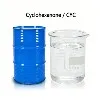

Anhydrous isopropanol is the preferred choice for high-precision industrial cleaning, while standard isopropyl alcohol (70%–99%) is more suitable for general-purpose cleaning applications.
What is the real difference in composition and purity between the two grades?
Anhydrous isopropanol (IPA) is defined by a water content of ≤0.1%, corresponding to a purity level of ≥99.9%, while standard industrial isopropyl alcohol is commonly supplied in 70%, 99%, or technical grades (95%–99%). This difference in water content directly affects solvent behavior, evaporation rate, and residue control. For example, 70% IPA contains approximately 30% water, which changes its evaporation characteristics and makes it more suitable for disinfection rather than moisture-sensitive applications. In contrast, 99% IPA may still contain up to 1% water, which is acceptable for most industrial cleaning but not for ultra-high-purity environments. In semiconductor-related processes, even 0.5% moisture variation can impact surface resistivity and process stability.

How does performance differ in industrial cleaning applications?
The performance gap between anhydrous IPA and standard isopropyl alcohol becomes significant in precision cleaning applications. Anhydrous IPA evaporates rapidly at a boiling point of 82.5°C and leaves virtually no residue, making it suitable for electronics, optical components, and precision instruments. In comparison, 70% IPA evaporates more slowly due to its water content, which can extend drying time by 20%–40% depending on temperature and airflow conditions. In PCB cleaning applications, residual moisture levels above 500 ppm may increase corrosion risk, while anhydrous IPA can reduce residual contamination to below 50 ppm. In semiconductor wafer cleaning, particle control below 0.1 µm is typically required, which is more reliably achieved using anhydrous-grade solvents.
Which grade is more suitable for industrial manufacturing and chemical processes?
In industrial manufacturing, selection depends on process sensitivity and cost-performance balance. Anhydrous isopropanol is widely used in semiconductor fabrication, pharmaceutical intermediates, and high-end coating systems, where moisture must be controlled below 0.1% tolerance levels. Standard 99% IPA is commonly used in resin processing, ink production, and industrial degreasing, where trace water content does not affect performance. In coating formulations, IPA is used to adjust viscosity and improve substrate wetting; however, overly fast evaporation from anhydrous grades may cause application instability, so 99% IPA is often preferred. From a cost perspective, anhydrous IPA is typically 10%–25% more expensive per ton than standard industrial-grade IPA.
How do safety and handling requirements differ in real industrial environments?
Both anhydrous isopropanol and standard isopropyl alcohol share the same flammability classification, with a flash point of approximately 11.7°C, making them highly flammable liquids under GHS Category 2. However, anhydrous IPA requires stricter storage control due to its higher sensitivity to moisture absorption. In poorly sealed conditions, it can absorb up to 0.2%–0.3% water within 24–48 hours, which reduces product purity. Both grades should be stored below 25°C, in tightly sealed containers, and away from ignition sources with proper ventilation. Transport requirements are identical under UN1219, although anhydrous IPA often requires stricter quality control during logistics handling to prevent contamination.
Anhydrous isopropanol vs isopropyl alcohol-how should buyers choose?
Selection should be based on application requirements rather than chemical identity, as both refer to C₃H₈O (CAS 67-63-0). Anhydrous IPA is preferred for ultra-low moisture environments such as electronics and high-end coatings, while standard isopropyl alcohol provides better cost efficiency for general industrial cleaning and formulation processes. In large-scale procurement, usage is typically split at 30%–40% anhydrous IPA and 60%–70% standard IPA, depending on production requirements. This distribution reflects a practical balance between performance requirements and overall production cost in global chemical manufacturing.
Factors to Consider When Buying IPA:
- Purity level: Select based on application requirements. High-purity grades (99%–99.9%) are suitable for precision cleaning, while 70% solutions are commonly used for disinfection where water improves microbial effectiveness.
- Moisture content: In anhydrous grades, low water content is critical to prevent interference in sensitive applications such as electronics, laboratory use, and chemical synthesis.
- Additives and formulation: Check whether the product contains denaturants or stabilizers, as these may affect performance in high-purity or sensitive industrial applications.
- Packaging options: IPA is available in drums, IBC totes, ISO tanks, and smaller containers. Selection should match operational scale, safety requirements, and storage conditions, with bulk packaging preferred for industrial procurement.
Tianjin Gnee Biotech Co., Ltd. is a professional manufacturer and exporter of isopropanol and other chemical raw materials, providing stable quality products, strict quality control, and reliable bulk supply for global industrial buyers.