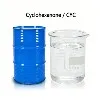

o-Xylene is a widely used chemical raw material in coatings, dyes, plastics, and synthetic fiber production, and getting its storage conditions for o-xylene right is what actually protects product quality, worker safety, and regulatory compliance during bulk handling. As a Category 3 flammable liquid, it needs deliberate environmental control, the right container materials, and consistent inspection - not just "a cool corner of the warehouse." This guide covers what actually matters when storing o-xylene at industrial scale, from temperature and humidity control to container selection and safety training.

Quick Answer: O-Xylene Storage Conditions at a Glance
| Parameter | Recommendation |
|---|---|
| Storage temperature | 15°C–25°C |
| Relative humidity | Below 50% |
| Light exposure | Avoid direct sunlight |
| Recommended container materials | Carbon steel, stainless steel, or HDPE, depending on container size and format |
| Ventilation | Well-ventilated, away from ignition sources |
| Hazard class | Flammable liquid, Category 3 (UN 1307) |
| Key incompatibilities | Strong oxidizing agents, strong acids |
Storage Environment Requirements
o-Xylene should be stored in a cool, dry, and well-ventilated area, away from direct sunlight and high-temperature exposure. Excessive heat can affect its stability and increases the risk of leakage or vapor buildup in an enclosed space, which matters more with a flammable liquid than with most inert industrial chemicals.
The ideal storage temperature range is 15°C to 25°C, with relative humidity kept below 50% to reduce evaporation losses and help preserve product quality over time. For bulk storage - ISO tanks or large-volume tanks rather than drums - this also means keeping tanks away from direct sun exposure and ideally under shade or in a temperature-buffered structure, since large steel vessels can heat up significantly faster than the surrounding air temperature suggests.
Container and Material Selection
Container choice depends heavily on volume and how the o-xylene will move through your supply chain. For bulk quantities, o-xylene is commonly stored and transported in carbon steel or stainless steel tanks - this is standard practice for ISO tank and large-drum shipments, since o-xylene doesn't corrode these materials under normal storage conditions. For smaller containers, high-density polyethylene (HDPE) or glass are common, sealed, corrosion-resistant options.
What actually needs attention is incompatibility with strong oxidizing agents and strong acids, which can trigger hazardous reactions - this is the compatibility issue that matters for material and storage-area planning, more than the container metal itself. Whatever the container type, careful handling during loading, unloading, and transfer reduces the risk of damage or leaks that create bigger problems downstream.
Labeling and Identification
Every container storing o-xylene should be clearly labeled with the chemical name, CAS number (95-47-6), and associated hazard information, so personnel can follow the correct safety procedures without having to look anything up mid-task. Labels should include hazard warnings and basic emergency handling instructions, and it's worth building a habit of checking labels periodically - heat, handling, and time all degrade printed labels faster than people expect, and an illegible label on a flammable liquid drum is a real operational risk, not just a paperwork issue.
Storage Area Management
A dedicated o-xylene storage area should include safety isolation measures to contain leaks and keep them from spreading into the surrounding environment. Firefighting equipment - extinguishers and an accessible fire water source - needs to be on-site, checked, and maintained on a regular schedule rather than installed once and forgotten. Just as important: incompatible chemicals, particularly strong oxidizers and strong acids, should never share a storage area with o-xylene, since that's where preventable reactions actually happen.
Safety Management and Training
Anyone responsible for storing or managing o-xylene benefits from regular safety training covering its properties, storage requirements, and spill response procedures. This isn't a box-ticking exercise - most storage incidents with flammable solvents trace back to a gap in training or a shortcut taken under time pressure, not a failure of the storage system itself. Well-trained staff are the actual first line of defense against both routine handling errors and the response time that determines how a small leak stays small.
Regular Inspection and Maintenance
Routine inspection of the storage environment, containers, and safety equipment catches problems while they're still minor. That means checking container integrity, storage area cleanliness, and the condition of firefighting equipment on a defined schedule, not an ad hoc one - consistency here is what actually prevents a maintenance gap from turning into an incident.
Frequently Asked Questions
What temperature should o-xylene be stored at?
Between 15°C and 25°C, in a well-ventilated area away from direct sunlight and heat sources.
Can o-xylene be stored in metal tanks?
Yes - carbon steel and stainless steel tanks are standard for bulk o-xylene storage, including ISO tanks, since o-xylene doesn't corrode these materials under normal conditions. Smaller quantities are commonly stored in HDPE or glass containers instead.
What chemicals should not be stored near o-xylene?
Strong oxidizing agents and strong acids are the main incompatibilities to keep separated, as they can trigger hazardous reactions.
Does o-xylene need special ventilation during storage?
Yes - as a flammable liquid, o-xylene should be stored in a well-ventilated area away from ignition sources to prevent vapor accumulation.
How often should o-xylene storage areas be inspected?
On a regular, defined schedule covering container integrity, area cleanliness, and firefighting equipment condition - the exact frequency should follow your site's chemical safety program and local regulatory requirements.
Why Choose Gnee Bio as Your O-Xylene (CAS 95-47-6) Supplier?
- Factory-Direct Supply: Available in bulk tonnes, ISO tanks, and 200 kg drums.
- Quality Assurance: Purity ≥99%, ISO 9001 and REACH compliant, with COA and TDS provided for every batch.
- Technical Support: Our technical team offers formulation guidance and downstream application assistance for buyers integrating o-xylene into coatings, resin, or phthalic anhydride production.


Proper storage protects the product quality your process depends on - but it starts with sourcing o-xylene that meets spec in the first place. Contact us for current O-Xylene CAS 95-47-6 pricing and availability, or explore our O-Xylene product page for full specifications.