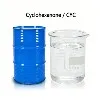

Isobutanol (IBA) is a colorless and transparent organic compound with a special alcohol-like odor. It is a liquid at room temperature, with a boiling point of about 108 degrees Celsius, and is miscible with a variety of solvents such as water, ethanol, and ether. As an important chemical raw material, isobutanol has a wide range of applications in industrial production.

isobutyl alcohol industrial Uses
- One of the main uses of Isobutanol (IBA) is the production of isobutyl acetate, a compound that plays a key role in the production of lacquers and similar coatings, as well as being used as a food flavoring agent.
- Isobutanol is also widely used in the industrial synthesis of isobutyl esters such as diisobutyl phthalate (DIBP), which is often used as a plasticizer in rubber, plastics, and so on.
- Other applications of isobutanol include its use as a solvent for paints, inks, etc. and as a clearing agent for varnishes. By adding small amounts of isobutanol to paints, it is possible to reduce their viscosity, improve brush flow and effectively prevent the deposition of petroleum residues on the surface of the painted part.
- In addition, Isobutanol (IBA) is used as a gasoline additive in spark ignition engines and helps prevent carburetor icing.
- IBA is also used in the chemical extraction of organic compounds and as a mobile phase in thin-layer chromatography. Looking to the future, isobutanol is expected to replace gasoline as a new fuel for internal combustion engines.
Production Methods of Isobutanol (IBA)
IBA can be produced in the following ways:
- Carbonyl Synthesis: This is the most commonly used method in industry today. Propylene and carbon monoxide are used as raw materials, and a hydrogenation reaction is carried out under the action of a catalyst to produce isobutyraldehyde, which is further hydrogenated to obtain isobutanol.
- Fermentation: Certain microorganisms can produce isobutanol by fermenting sugar substances. This method is relatively environmentally friendly, but the production efficiency is low, and is currently mainly used for laboratory research and small-scale production.
- Petrochemical by-product extraction: In the process of petroleum refining and cracking, certain by-products contain isobutanol, which can be separated and purified by means of distillation and other means.
Why Purchase 2-methyl-1-propanol (isobutyl alcohol) From Gneebio?
Gneebio is a trusted manufacturer and supplier with over a decade of experience in the chemical industry. Our 2-methyl-1-propanol (isobutyl alcohol) is produced under strict ISO and GMP quality systems, ensuring high purity concentration in industrial applications. We offer:
- Product specifications (technical data sheet);
- COA and MSDS;

Related Chemical Products from Gneebio
Bulk Industrial buyers often purchase 2-methyl-1-propanol (CAS: 78-83-1) together with other solvents and intermediates.
Here are the most popular products:
| Product Name | CAS |
|---|---|
| Cyclohexanone (CYC) | 108-94-1 |
| Methyl Methacrylate (MMA) | 80-62-6 |
| 2-Methoxyethanol | 109-86-4 |
| Propionic Acid | 79-09-4 |
| Ethylene Glycol (Meg) | 107-21-1 |
| N, N-Dimethylacetamide (DMAC) | 127-19-5 |