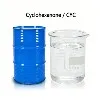

Xylene, also known as xylol or dimethylbenzene, is an aromatic hydrocarbon widely used as an industrial solvent. It is available as three main isomers-o-xylene, m-xylene, and p-xylene-as well as mixed xylene.
So, why is xylene used as a solvent?
Xylene is valued for its ability to dissolve many organic substances, its relatively high boiling point, and its evaporation characteristics. These properties make xylene useful in paints, coatings, adhesives, sealants, printing products, and industrial cleaning applications.
What Is Xylene?
Xylene is a group of aromatic hydrocarbons with the molecular formula C₈H₁₀. It is commonly supplied as individual xylene isomers or as a mixture of isomers, depending on the intended application.
Xylene is generally a colorless liquid with a characteristic aromatic odor and is only slightly soluble in water. Its chemical properties make it particularly useful for dissolving or diluting many organic materials.
Xylene as an Aromatic Hydrocarbon Solvent
As an aromatic hydrocarbon solvent, xylene has good solvency for many resins, oils, greases, coatings, and other organic compounds.
This is one of the main reasons xylene is used in industrial formulations where a hydrocarbon solvent with effective solvency and controlled evaporation is required.
Why Is Xylene Used as a Solvent?
There are several reasons xylene is widely used as an industrial solvent.
1. Good Solvency for Organic Materials
Xylene can dissolve or help dilute many organic substances, including certain:
- Resins
- Oils and greases
- Paint components
- Varnishes
- Adhesives
- Sealants
- Coating materials
This makes xylene useful for both formulation and cleaning applications.
2. Useful Evaporation Characteristics
Xylene has a relatively high boiling point compared with some lighter solvents. This can provide useful evaporation characteristics in coatings, paints, and other formulations.
The evaporation rate affects factors such as:
- Drying time
- Flow and leveling
- Film formation
- Application properties
The appropriate solvent depends on the formulation and desired performance.
3. Compatibility With Industrial Formulations
Xylene can be incorporated into a variety of solvent-based formulations. In paints and coatings, for example, it may be used to adjust viscosity and improve application characteristics.
However, compatibility depends on the specific resin, coating system, and formulation. Xylene should therefore be evaluated against the technical requirements of the final product.
Who Uses Xylene Solvent?
Xylene is used across several industrial sectors, particularly where an aromatic hydrocarbon solvent is required.
Paints and Coatings
One of the best-known applications of xylene is in paint and coating formulations.
It can be used as a solvent or thinner for certain:
- Oil-based paints
- Lacquers
- Varnishes
- Epoxy coatings
- Synthetic enamels
- Anti-rust coatings
Xylene may help dissolve resin components and adjust viscosity for application.
Adhesives and Sealants
Xylene can also be used in certain adhesive and sealant formulations where its solvency characteristics are compatible with the formulation.
It may help dissolve resin or polymer components and achieve the required processing viscosity.
Industrial Cleaning
Xylene's ability to dissolve many organic substances also makes it useful for certain industrial cleaning applications.
Depending on the material being removed, xylene may help remove:
- Adhesive residues
- Grease
- Oil
- Paint residues
- Certain coatings
It may also be used for cleaning compatible tools and equipment after the use of solvent-based coatings.
Always check material compatibility and the applicable SDS before using xylene for cleaning.
What Is Xylene Used to Dissolve?
Xylene is primarily useful for dissolving or diluting organic materials, rather than water-soluble substances.
| Material | Typical relevance of xylene |
|---|---|
| Resins | Good solvency for many resin systems |
| Oils and grease | Can dissolve many hydrocarbon-based residues |
| Paint components | Used in certain solvent-based paints |
| Varnishes | Used as a solvent or thinner in some formulations |
| Adhesives | Useful with compatible adhesive systems |
| Epoxy formulations | Used in selected solvent-based systems |
| Coatings | Common solvent for certain industrial coatings |
| Paint residues | Can assist with removal from compatible surfaces |
The actual solvency depends on the specific material, formulation, temperature, and xylene grade.
Xylene as a Paint Thinner
Xylene is widely recognized as a solvent for certain paints and coatings.
When used as a thinner, xylene can reduce viscosity and make a formulation easier to apply. It may also influence drying and film-forming characteristics.
However, xylene is not suitable for every paint or coating. Users should check the manufacturer's formulation requirements before substituting xylene for another solvent.
For industrial buyers, the important factors include the coating resin, required viscosity, evaporation characteristics, and compatibility with other solvents.
Does Xylene Mix With Water?
No. Xylene has very low solubility in water, so it does not readily mix with water.
This is an important distinction from the original explanation that xylene dissolves other compounds "in water quickly." Xylene's solvent strength is mainly relevant to organic and hydrocarbon-based materials, not because it readily dissolves in water.
Because xylene and water are largely immiscible, mixtures can separate into different phases.
This property is important when handling, storing, or formulating products containing xylene and water.
Conclusion
Xylene is widely used as a solvent because it has good solvency for many organic materials and useful evaporation characteristics for industrial formulations.
It is commonly used in paints, coatings, adhesives, sealants, and industrial cleaning applications.
For industrial buyers, selecting the right xylene product requires attention to composition, grade, application, packaging, documentation, and delivery requirements. Buyers should also review the relevant SDS and technical specifications before use.
8. FAQ
What is xylene used for as a solvent?
Xylene is used as a solvent in paints, coatings, adhesives, sealants, varnishes, and industrial cleaning applications. It can dissolve or dilute many organic materials.
Why is xylene a good solvent?
Xylene has good solvency for many organic compounds and useful evaporation characteristics. These properties make it suitable for many solvent-based industrial formulations.
Can xylene be used as a paint thinner?
Yes. Xylene can be used as a thinner for certain solvent-based paints, coatings, lacquers, and enamels. Compatibility should be confirmed before use.
Does xylene dissolve in water?
Xylene has very low solubility in water and does not readily mix with water. Xylene is primarily effective as a solvent for organic materials.
What can xylene dissolve?
Xylene can dissolve or help dilute many organic materials, including certain resins, oils, greases, paints, varnishes, adhesives, and coating components.
Is xylene used for industrial cleaning?
Yes. Xylene can be used for certain industrial cleaning applications, including the removal of compatible adhesive, oil, grease, paint, and coating residues.
What should I check when buying xylene in bulk?
Industrial buyers should confirm the required xylene composition or grade, specification, quantity, packaging, destination, and available documentation such as COA and SDS.