

p-Xylene (para-xylene, PX, CAS 106-42-3) has a symmetrical benzene-ring structure with two methyl groups (-CH₃) located at the 1 and 4 positions. Its molecular formula is C₈H₁₀, and this unique para-substitution structure makes it the preferred feedstock for producing purified terephthalic acid (PTA) and polyester (PET).
Quick Answer: What Is the Structure of p-Xylene?
p-Xylene (para-xylene, PX) is an aromatic hydrocarbon consisting of a benzene ring with two methyl groups attached at opposite positions (1,4-position). Its molecular formula is C8H10, and its CAS number is 106-42-3.

p-Xylene Molecular Structure Explained
Para-xylene is one of three xylene isomers - para-, meta-, and ortho- - that share the identical molecular formula C₈H₁₀ but differ in where the two methyl groups (-CH₃) sit on the benzene ring. Para-xylene carries them at the 1- and 4-positions, directly opposite each other, giving the molecule a symmetrical structure.
That symmetry is exactly why buyers need this specific isomer rather than mixed xylenes: when PX is catalytically oxidized, its symmetrical structure allows both methyl groups to convert cleanly and completely into carboxyl groups, yielding high-purity terephthalic acid. The meta- and ortho- isomers don't oxidize as cleanly to the same target compound, which is why PTA and PET manufacturers specify PX rather than a generic xylene mix.
This structural similarity between isomers also explains a sourcing challenge worth knowing about: para-, meta-, and ortho-xylene have boiling points within about 1-2°C of each other, making separation by simple distillation extremely difficult. Producing high-purity PX requires specialized crystallization or adsorptive separation processes - which is part of why PX purity and isomer cross-contamination levels are worth checking closely in a Certificate of Analysis (COA), not just assumed from a purity percentage.
| Item | Information |
|---|---|
| Chemical Name | Para-Xylene |
| Chemical Formula | C8H10 |
| Structure Type | Aromatic hydrocarbon |
| Substitution Position | 1,4-position |
| Functional Groups | Two methyl groups (-CH3) |
| CAS Number | 106-42-3 |

Key Physical and Chemical Properties
| Property | Value |
|---|---|
| Boiling Point | ~138°C |
| Melting Point | ~13°C |
| Flash Point (closed cup) | 25°C |
| Density (20°C) | ~0.861 g/cm³ |
| Water Solubility | Practically insoluble (~0.2 mg/mL at 20°C) |
| Solubility in Organic Solvents | Miscible with acetone, ethanol, ether, chloroform |
The low flash point (25°C) and the fact that PX melts near room temperature (~13°C) both have direct logistics implications: shipments in cooler climates may require insulated or heated transport/storage to keep material liquid, and standard flammable-liquid handling protocols apply throughout transport and storage.
Purity Grades and Typical Specifications
| Grade | Typical Purity | Typical Impurity Profile | Common Buyers |
|---|---|---|---|
| Industrial / Polymer Grade | 99.5% min | ~0.3% ethylbenzene, ~0.1% m-xylene, ~0.1% o-xylene | PTA/PET producers, fiber manufacturers |
| High Purity Grade | 99.7% – 99.9% | Lower isomer/ethylbenzene cross-contamination | Specialty chemical synthesis, high-spec polymer applications |
| Reagent / HPLC Grade | ≥99.0% (GC) | Analytical-grade consistency | Laboratory and analytical use |
For PTA and PET manufacturing, buyers should confirm not just the headline purity percentage but the specific ethylbenzene and isomer (m-xylene, o-xylene) content, since these directly affect downstream oxidation efficiency and final PTA color/purity grade.
p-Xylene vs m-Xylene vs o-Xylene: Structural Differences
| Isomer | Position | Structure |
|---|---|---|
| p-Xylene | 1,4 | Symmetrical |
| m-Xylene | 1,3 | Asymmetrical |
| o-Xylene | 1,2 | Adjacent |
Industrial Applications of p-Xylene (Para-Xylene)
PTA / PET Production (largest volume use): PX is the essential feedstock for purified terephthalic acid (PTA), which is polymerized with ethylene glycol to produce polyethylene terephthalate (PET) - used in polyester fiber, textiles, films, and plastic bottles. This is the application driving the majority of global PX demand.
Dimethyl Terephthalate (DMT) Production: An alternative route to polyester intermediates, used by manufacturers running DMT-based rather than PTA-based polymerization processes.
Chemical Intermediate Synthesis: PX serves as a raw material for benzoic acid (used in food and pharmaceutical preservative production) and p-toluenaldehyde (used as an intermediate in pesticide and dye manufacturing).
Specialty and Research Applications: High-purity PX is used as a nonpolar solvent for compound synthesis and isolation, and in the direct polymerization of parylene coatings for electronics and medical device applications.

Sourcing Checklist: What to Confirm Before Ordering
- Purity specification - confirm minimum purity percentage and maximum limits on ethylbenzene, m-xylene, and o-xylene content
- Certificate of Analysis (COA) - request a batch-specific COA, not just a generic product spec sheet
- Safety Data Sheet (SDS) - required for import/export compliance and downstream handling protocols
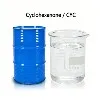
- Packaging format - ISO tank, drums (typically 200L steel drums), or IBC totes depending on order volume
- UN 1307 shipping compliance - confirm the supplier's documentation and packaging meet Class 3, Packing Group III flammable liquid transport requirements
- Storage conditions on arrival - cool, well-ventilated, away from ignition sources and oxidizers; be prepared for potential solidification in cold transport/storage given the ~13°C melting point
FAQs
What is the chemical structure of p-xylene?
p-Xylene contains a benzene ring with two methyl groups attached at the para (1,4) positions.
What is the molecular formula of p-xylene?
The molecular formula of p-xylene is C8H10.
Why is p-xylene called para-xylene?
Because the two methyl groups are positioned opposite each other on the benzene ring at the 1 and 4 positions.
What purity of para-xylene do I need for PTA production?
Industrial/polymer-grade PX at 99.5%+ purity, with controlled ethylbenzene and isomer content, is the standard specification for PTA feedstock. Always confirm the specific impurity profile via COA rather than relying on the purity percentage alone.
Why is para-xylene more expensive or harder to source than mixed xylenes?
Because para-, meta-, and ortho-xylene have boiling points only 1-2°C apart, isolating high-purity PX requires energy-intensive crystallization or adsorptive separation rather than simple distillation, which affects both cost and available supply compared to mixed xylene streams.
How is para-xylene packaged and shipped?
Common formats include ISO tank containers for bulk volumes, and 200L steel drums or IBC totes for smaller orders. As a UN 1307, Class 3 flammable liquid, shipments require compliant labeling, packaging, and transport documentation.
Does para-xylene need special storage due to its melting point?
Yes - para-xylene's melting point (~13°C) means it can solidify in cool storage or transport conditions. Buyers in colder climates should confirm whether tanks or storage areas require insulation or heating to keep the material liquid for handling.
What documentation should I request from a para-xylene supplier?
At minimum: a batch-specific Certificate of Analysis (COA), Safety Data Sheet (SDS), and - depending on your industry - a Technical Data Sheet (TDS). For pharmaceutical, food-contact, or other regulated downstream uses, confirm any additional compliance certifications required in your target market.