
O-Xylene, also written ortho-xylene, is one of the three dimethylbenzene isomers and is identified by CAS 95-47-6. It is a colorless liquid with a characteristic aromatic odor, produced mainly by separation from mixed xylene streams in petrochemical plants. Its primary derivative, phthalic anhydride, is consumed in the production of plasticizers, unsaturated polyester resins, alkyd coatings, and dyes, making o-xylene a bellwether of the aromatics and downstream polymer industries.
What Is O-Xylene and Why Does Its Price Matter?
O-Xylene is a C8 aromatic hydrocarbon with the molecular formula C8H10 and a molecular weight of 106.17 g/mol. It boils at about 144.4°C and freezes at about -25.2°C, with a density of about 0.880 g/cm3 at 20°C. The vast majority of o-xylene output is oxidized to phthalic anhydride; the rest is used as a solvent, in the synthesis of vitamin and dye intermediates, and in specialty applications. Because phthalic anhydride is a feedstock for plasticizers used in flexible PVC, o-xylene prices are closely watched by converters across the construction, automotive, and packaging industries.
Key Factors That Drive O-Xylene Prices
Crude oil prices: as a petrochemical derivative, o-xylene broadly follows crude oil and naphtha cost trends.
Aromatics chain economics: mixed xylene availability, toluene disproportionation output, and isomer separation costs determine the marginal cost of o-xylene.
Regional supply-demand balance: plant turnarounds, new capacity start-ups, and import-export flows shift regional premiums.
Downstream operating rates: phthalic anhydride and plasticizer plant utilization directly affect spot demand.
Inventory cycles and seasonality: maintenance seasons in spring and autumn and year-end inventory adjustments create temporary price swings.
Historical Reference Prices in the Chinese Market
The table below shows representative spot price levels reported in the Chinese market during 2025. These figures are historical reference points, not current quotations, and illustrate the degree of intra-year volatility that buyers should expect.
| Date | Region / Specification | Reference Price (CNY/ton) |
|---|---|---|
| Oct 13, 2025 | Shandong market, isomer xylene | Approximately 5,835 |
| Oct 14, 2025 | South China | Approximately 6,300 |
| Jul 15, 2025 | East China | Approximately 7,000 |
| Feb 2025 | National average, purity 96% and above | Approximately 6,965 |
Prices in other regions and grades will differ, and spot quotations move daily. Buyers should treat published figures as directional indicators and obtain current quotations from multiple sources before any commercial decision.
Quality Specifications and Buying Considerations
Commercial o-xylene is typically specified at 98% or 99% purity, with limits on the other xylene isomers, ethylbenzene, sulfur, and non-aromatic impurities. The applicable grade is usually defined by the downstream process: phthalic anhydride producers require tight ortho-xylene purity with low para- and meta-xylene content, while solvent users may accept a technical-grade product. Buyers should request a certificate of analysis covering purity, density, distillation range, and water content, and should agree on inspection methods, often referencing standard test procedures such as those in ASTM D2306 or equivalent international standards.
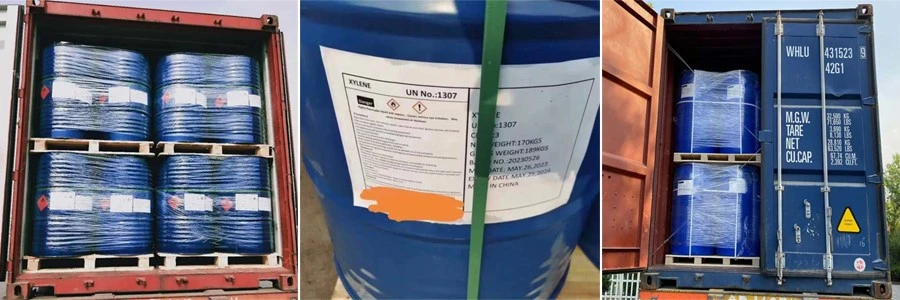
Logistics and storage also influence total cost. O-Xylene is a flammable liquid (flash point about 32°C) and is typically transported in dedicated tank trucks, ISO tanks, or drums, depending on volume. Storage tanks should be nitrogen-blanketed where possible to prevent moisture ingress, and handling areas must meet fire-safety requirements for Class 3 flammable liquids.
Frequently Asked Questions
Why does the price of o-xylene fluctuate so much?
O-Xylene sits between volatile crude oil prices and cyclical downstream demand, so its price amplifies swings in both. Maintenance shutdowns, new capacity, and trade flows create additional regional volatility on top of the feedstock cost base.
What is o-xylene used for?
About 90% of o-xylene is used to produce phthalic anhydride, which is converted into plasticizers, unsaturated polyester resins, alkyd coatings, and dyes. Smaller volumes go to solvents and specialty synthesis.
What purity of o-xylene should I buy?
It depends on the application. Phthalic anhydride production typically requires 98-99% ortho-xylene with controlled isomer impurity, while some solvent and synthesis uses accept technical grades. Always confirm with the process engineer and review the certificate of analysis.
Is the 2025 price data still valid?
No. The figures shown are historical spot price levels recorded in 2025 and should be used only to understand price ranges and volatility. Obtain current quotes from suppliers or market reports before making decisions.
How is o-xylene transported?
It is shipped in dedicated tank trucks or ISO tanks for bulk volumes and in steel drums for smaller quantities. Because it is flammable, transport and storage must comply with dangerous-goods regulations for Class 3 flammable liquids.
Does the price of o-xylene affect plasticizer costs?
Yes. O-Xylene is the main feedstock for phthalic anhydride, which in turn is a major raw material for phthalate plasticizers. Movements in o-xylene prices therefore propagate down the chain to flexible PVC compound costs.