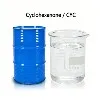

What Is DMAC
N,N-Dimethylacetamide (DMAC) is an organic compound with the chemical formula C4H9NO. It is a clear, colorless, high-boiling, polar, hygroscopic liquid with a faint ammonia-like odor. DMAC is a good solvent for a wide range of organic and inorganic compounds, and it is miscible with water, ethers, esters, ketones and aromatic compounds. It is typically produced by the reaction of dimethylamine with acetic acid derivatives, followed by purification, and it is supplied in industrial, pharmaceutical and electronic grades.
Why DMAC Is Used as a Solvent
DMAC is used because it combines several properties that few solvents match. It has both polar and non-polar characteristics, so it dissolves a wide range of polymers and organic compounds. Its boiling point of about 165 degrees Celsius and flash point of about 70 degrees give it high thermal stability, so it can be used in processes that run at elevated temperature without degrading. It is miscible with water and most organic solvents, which makes it a versatile reaction and processing medium, and it acts as a combined solvent and reaction catalyst in many reactions, producing high yields and pure products in short times.
Use in Synthetic Fibers and Polymers
DMAC is the core solvent for spinning polyacrylonitrile raw silk in the synthetic fiber industry, with a dissolution efficiency significantly higher than alternative solvents. It is also used in the production of polyurethane-based fibers, films and coatings, and in synthesizing polyamide resins. In the polymer field, DMAC dissolves polyacrylonitrile, polyurethane and polyimides, and it serves as an extractive distillation solvent for separating styrene from C8 fractions. Its combination of solvency and stability makes it the standard medium for these polymer processes.
Use in Pharmaceuticals and Electronics
In the pharmaceutical field, DMAC is used as a solvent for the crystallization of cephalosporin antibiotics, which improves the yield and purity of the product, and as a solvent in the production of novel X-ray contrast media and other pharmaceutical intermediates. In electronics, DMAC keeps the system pure and improves the thermal stability and consistency of products in liquid crystal display and lithium battery manufacturing: membranes processed with DMAC show low shrinkage at high temperature, significantly better than the industry standard. It is also used as an electrolytic solvent, a paint remover component and a crystalline solvent adduct agent.
Grades and Selection
DMAC is supplied in industrial, pharmaceutical and electronic grades, and the correct grade is selected by the application: industrial grade for polymer processing, pharmaceutical grade where purity requirements are strict, and electronic grade for semiconductor and display applications. The buyer should verify the purity, water content and metal ion levels against the process requirement, and confirm that the documentation, including COA and SDS, matches the grade supplied.
Frequently Asked Questions
What is DMAC solvent? N,N-Dimethylacetamide, a high-boiling polar aprotic solvent miscible with water and most organic solvents.
Why is DMAC used in fiber spinning? It dissolves polyacrylonitrile with high efficiency, making it the core solvent for acrylic fiber production.
Is DMAC stable at high temperature? Yes, with a boiling point of about 165 degrees Celsius and high thermal stability.
Where is DMAC used in pharma? In antibiotic crystallization, X-ray contrast media production and pharmaceutical intermediates.
What grades are available? Industrial, pharmaceutical and electronic grades, selected by the application and purity requirement.