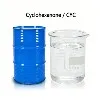

What DEGME Is and Its Key Properties
Diethylene glycol monomethyl ether, abbreviated DEGME, is a slow-evaporating glycol ether solvent with CAS number 111-90-0 and EINECS number 203-919-7. Its molecular formula is C5H12O3 and its molar mass is 120.15 g/mol. Technical literature also describes the same substance as 2-(2-methoxyethoxy)ethanol or methyl carbitol. The molecule combines an ether linkage with a terminal hydroxyl group, so it is fully miscible with water while also dissolving a wide range of polar and semi-polar resins.
Commercial DEGME is manufactured by reacting methanol with diethylene glycol over an acid or base catalyst, followed by fractional distillation. The distillation train removes unreacted glycol, the heavier diethylene glycol dimethyl ether, and lighter ethylene glycol monomethyl ether, which allows the finished grade to reach 99.0 % or higher assay by gas chromatography with water held below 0.1 % by mass.
The high boiling point combined with a very low evaporation rate is what makes DEGME useful wherever the solvent must stay in the film long enough to do its work.
| CAS number | 111-90-0 |
| EINECS number | 203-919-7 |
| Molecular formula | C5H12O3 |
| Molar mass | 120.15 g/mol |
| Appearance | Clear colourless liquid |
| Boiling point | About 194 °C at 101.3 kPa |
| Flash point | About 93 °C, closed cup |
| Density at 20 °C | About 1.02 g/cm3 |
| Water solubility | Miscible in all proportions |
| Evaporation rate | Very slow, far below ethanol or butyl acetate |
| Assay by gas chromatography | 99.0 % minimum |
| Water content | 0.1 % maximum |
Coalescing Agent in Paints, Coatings and Printing Inks
In water-borne architectural and industrial paints, DEGME acts as a coalescing aid and flow improver. It temporarily plasticises the latex or acrylic binder particles so that they deform and fuse into a continuous film as the water leaves the coating. Because it evaporates slowly, it also extends open time, reduces brush marks, and limits cratering and pinholing on hot or windy application sites.
Interior and exterior emulsion paints based on acrylic, styrene-acrylic and vinyl-acrylate binders
Industrial wood coatings where uniform flow and grain wetting are critical
Water-reducible baking enamels and primer systems
Flexographic and gravure printing inks, where the controlled evaporation profile keeps the ink open on the plate and controls dot gain
Formulators usually dose DEGME at roughly 1 % to 5 % of the total coating mass, adjusting the level to the minimum film-forming temperature of the binder and to the ambient drying conditions.
Textile Dyeing, Printing and Fibre Processing
In textile processing DEGME works as a carrier and levelling solvent for dyeing polyester and polyester blends. It helps swell the fibre surface, improves dye penetration, and promotes level shades when the dyebath is heated under pressure. It is also used in print pastes, in scouring and desizing formulations, and in the finishing baths that apply softeners and antistatic agents, because it keeps slightly incompatible auxiliaries in a single clear solution.
Cleaning Products and Fuel-System Applications
As a solvent with a mild odour and good coupling power, DEGME is used in hard-surface cleaners, glass cleaners, degreasers and industrial hand-cleaning pastes, often in blend with surfactants and builders. In fuel systems it is used in anti-icing additives: it dissolves small amounts of water carried in gasoline or diesel, lowers the freezing point of that water, and prevents ice crystals from blocking filters and fuel lines in cold weather.
Storage, Handling and Quality Control
DEGME is a high-flash-point liquid, but the usual precautions for glycol ethers still apply: keep containers closed, work with local exhaust ventilation and grounded equipment, and avoid prolonged skin exposure. Store it in carbon steel or stainless steel tanks or in high-density polyethylene drums under dry conditions, away from strong oxidisers, and keep the tank headspace low to limit moisture pick-up.
Delivered lots are normally certified against a batch certificate of analysis covering the parameters below.
Assay and homologue distribution by gas chromatography
Water content by Karl Fischer titration following ASTM D1364
Colour on the platinum-cobalt scale following ASTM D1209
Density and relative density following ASTM D4052
Distillation range and residue on evaporation
Frequently Asked Questions
Q: What is the difference between DEGME and diethylene glycol monoethyl ether?
DEGME is the methyl ether with CAS number 111-90-0, while the ethyl homologue carries CAS number 110-80-5. The two are different substances with different boiling points and toxicity profiles and cannot be substituted without re-checking the formulation.
Q: Is DEGME miscible with water?
Yes. It mixes with water in all proportions and forms clear solutions, which is the reason it is favoured in water-borne coatings and aqueous cleaning products.
Q: Why is DEGME chosen instead of a fast-evaporating solvent?
Its very slow evaporation rate keeps the film open longer, so latex particles have time to coalesce and defects such as mud-cracking and brush marks are reduced without adding a separate plasticiser.
Q: At what dose is DEGME used in emulsion paints?
Typical additions fall between 1 % and 5 % of the total formulation mass. The exact level depends on the binder, the pigment volume concentration and the drying conditions on site.
Q: How should DEGME be stored?
Keep it in closed steel or HDPE containers in a dry, ventilated area away from ignition sources and strong oxidisers. Low headspace and a tight seal limit moisture absorption and preserve colour.
Q: Which documents accompany a shipment?
Each lot is supplied with a certificate of analysis, a safety data sheet prepared under the CLP Regulation (EC) No 1272/2008, and packing information for the selected drum or IBC.