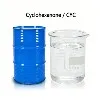

Overview of 99.9% Ethyl Acetate
Ethyl acetate is an ester solvent formed by the esterification of ethanol and acetic acid, with the molecular formula C4H8O2 and CAS registry number 141-78-6. It is a colorless liquid with a distinct fruity aroma and a relatively low boiling point of about 77 °C at standard atmospheric pressure. The 99.9% purity grade offers a very low water content, minimal impurities, a clean odor profile, and consistent batch-to-batch performance, which is why it is specified for demanding applications.
Ethyl acetate is miscible with many organic substances and has a moderate evaporation rate, making it one of the most widely used solvents in surface-coating and printing industries.
Typical Specification of 99.9% Ethyl Acetate
| Parameter | Typical Value |
|---|---|
| Appearance | Colorless transparent liquid |
| Boiling point | About 77 °C at 101.3 kPa |
| Density at 25 °C | About 0.90 g/mL |
| Melting point | About -84 °C |
| Flash point | About -4 °C, closed cup |
| Viscosity at 20 °C | About 0.45 mPa·s |
| Refractive index | About 1.372 |
| Solubility in water at 20 °C | About 8.3 g per 100 mL |
The values above follow reference data in standard physical chemistry handbooks. Buyers should always confirm the exact specification with the supplier's certificate of analysis, because measured values can differ slightly with the analytical method and batch.
Use in Coatings, Printing Inks, and Adhesives
In the coatings industry, ethyl acetate is a primary solvent for resins and polymer systems such as nitrocellulose, acrylic, and polyurethane. Its balanced evaporation rate promotes good leveling and film formation, and the 99.9% grade minimizes defects caused by water or impurities. Fast drying, low residual odor, and low defect rates are the reasons why formulators select high-purity ethyl acetate for industrial paints, automotive refinish coatings, and wood finishes.
Gravure and flexographic printing inks rely heavily on ester solvents. Ethyl acetate provides the low odor, stable viscosity, and clean printing performance required for high-speed presses. In adhesives, ethyl acetate dissolves EVA, acrylic, and pressure-sensitive polymer systems efficiently, and its volatility allows the adhesive to set quickly after application. The minimal residue of the 99.9% grade is particularly valued where residual solvent could affect adhesion or final product quality.
Use in Pharmaceuticals and Chemical Synthesis
In pharmaceutical manufacturing, ethyl acetate is employed in the extraction and purification of active pharmaceutical ingredients. Its comparatively low toxicity and controlled impurity profile make it suitable for processes where solvent residue limits are regulated by pharmacopeial standards. Ethyl acetate is also used as a reaction and crystallization solvent in the synthesis of drug substances.
In general chemical synthesis, ethyl acetate is a standard reaction and dilution solvent, valued for consistent performance, broad compatibility with organic reagents, and easy removal by distillation.
Use in Electronics, Cosmetics, and Fragrances
In electronics manufacturing, 99.9% ethyl acetate is used for PCB and precision cleaning, where its low water content and residue-free evaporation protect sensitive components. In cosmetics and fragrances, ethyl acetate serves as a solvent and carrier, where odor purity and formulation stability are essential. Its fruity character also allows its use as a flavoring component in food and confectionery applications under the applicable food regulations of the destination market.
Safety and Handling Considerations
Ethyl acetate is a flammable liquid with a flash point around -4 °C, and it must be stored away from ignition sources with adequate ventilation and grounded containers. Vapors are heavier than air and can travel to distant ignition points, so transfer areas should be controlled. Prolonged skin contact can cause defatting, and inhalation of high vapor concentrations may cause irritation; appropriate gloves, goggles, and ventilation are recommended. Waste solvent should be recycled or disposed of through licensed channels in accordance with local regulations.
Frequently Asked Questions
What is ethyl acetate used for?
Ethyl acetate is used as a solvent in coatings, printing inks, adhesives, pharmaceutical extraction, electronics cleaning, cosmetics, and chemical synthesis.
What is the CAS number of ethyl acetate?
The CAS registry number of ethyl acetate is 141-78-6, and its molecular formula is C4H8O2.
What is the boiling point of ethyl acetate?
The normal boiling point of ethyl acetate is approximately 77 °C at standard atmospheric pressure.
Is ethyl acetate soluble in water?
Ethyl acetate is only slightly soluble in water, about 8.3 g per 100 mL at 20 °C, and it forms a separate organic layer when mixed with water in larger proportions.
Why is 99.9% purity important?
The 99.9% grade has very low water content and minimal impurities, which prevents defects in coatings, contamination in electronics cleaning, and odor issues in cosmetics and fragrances.
Is ethyl acetate flammable?
Yes. Ethyl acetate is a flammable liquid with a flash point around -4 °C in a closed cup, and it must be stored away from ignition sources with adequate ventilation.