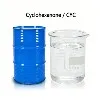

Mixed xylene is an aromatic hydrocarbon blend (CAS 1330-20-7) composed of four isomeric compounds: ortho-xylene, meta-xylene, para-xylene, and ethylbenzene. This mixed xylene composition typically results from catalytic reforming or pyrolysis gasoline processing, and the exact isomer ratio varies depending on the production source and intended application. For buyers, formulators, and technical teams evaluating aromatic solvents or petrochemical feedstocks, understanding this composition is the first step in selecting the right grade for a given end use.
This article breaks down the chemical structure, typical isomer ratios, production-source variation, and grade specifications of mixed xylene - organized to answer the questions most commonly asked about xylene mixed isomers.
Chemical Formula, Symbol & Molecular Structure
The chemical symbol for xylene mixed isomers is C8H10, shared by all four components - o-xylene, m-xylene, p-xylene, and ethylbenzene - which are structural isomers with the same molecular formula but different substitution patterns on the benzene ring.
Each isomer is built on a benzene ring with two methyl groups (or, in the case of ethylbenzene, one ethyl group) attached. The position of these substituents defines the mix xylene structure and, in turn, the physical and chemical behavior of each component:
- Ortho-xylene (o-xylene): methyl groups in the 1,2-position (adjacent)
- Meta-xylene (m-xylene): methyl groups in the 1,3-position
- Para-xylene (p-xylene): methyl groups in the 1,4-position (opposite)
- Ethylbenzene: a single ethyl group replacing the second methyl substituent
| Component | Molecular Formula | CAS Number |
|---|---|---|
| o-Xylene | C8H10 | 95-47-6 |
| m-Xylene | C8H10 | 108-38-3 |
| p-Xylene | C8H10 | 106-42-3 |
| Ethylbenzene | C8H10 | 100-41-4 |
| Mixed Xylene (blend) | C8H10 | 1330-20-7 |
Because all four compounds share the identical molecular weight and formula, they cannot be distinguished by simple mass-based testing - separation and quantification require gas chromatography (GC), which is why GC analysis is the standard method referenced in most mixed xylene isomer grade specification sheets.
Is Mixed Xylene the Same as Xylene?
No - is mixed xylene xylene is a common point of confusion. "Xylene" often refers loosely to any of the three dimethylbenzene isomers individually, while "xylene mixed" or mixed xylene specifically denotes an industrial blend containing all three isomers plus ethylbenzene as a co-product.
In commercial and industrial contexts, when a product is labeled simply "xylene" without further qualification, it is almost always referring to this mixed isomer blend rather than a single isolated isomer. Individually isolated isomers (particularly p-xylene) are instead marketed and sold separately as high-purity feedstocks for downstream chemical production.
Typical Mixed Xylene Isomer Ratios
The following table shows typical mixed xylene isomers ratios found in commercial-grade product:
| Component | Typical Range |
|---|---|
| o-Xylene | 15–25% |
| m-Xylene | 40–50% |
| p-Xylene | 15–25% |
| Ethylbenzene | 10–20% |
These ratios are not fixed by a single international standard but vary by feedstock and refining process - reformate-based mixed xylene, pyrolysis-gasoline-based mixed xylene, and coal-tar-based mixed xylene each show distinct isomer distributions. Buyers sourcing mixed xylene for a specific downstream process should always request a certificate of analysis (COA) confirming the actual isomer breakdown for the batch in question, rather than relying on general industry ranges alone.
Composition by Production Source
Mixed xylene composition is directly influenced by how it was produced. The three most common production routes are:
- Reformate-based Mixed Xylene Produced via catalytic reforming of naphtha, this is the most common commercial source. It typically yields a balanced isomer distribution close to the thermodynamic equilibrium ratio, with ethylbenzene content on the lower-to-mid end of the typical range.
- Pyrolysis Gasoline-based Mixed Xylene A byproduct of ethylene cracking (pyrolysis gasoline, or "pygas"), this source tends to carry a higher ethylbenzene content and may include trace styrene or other unsaturated aromatics, requiring additional hydrotreating before use in sensitive applications.
- Coal-tar-based Mixed Xylene Derived from coal tar distillation, this source is less common globally but still used in some regions. It generally shows a higher proportion of non-aromatic and sulfur-containing impurities, which affects its suitability for high-purity downstream processes.
Understanding which production source a supplier's mixed xylene originates from helps buyers anticipate impurity profiles and isomer ratios before requesting a full specification sheet.
Xylene Mixed Isomers Pure Grade vs Commercial Grade
When referred to as xylene mixed isomers pure, this typically indicates a product meeting approximately 98–99% total xylene isomer content (excluding non-aromatic impurities), as opposed to commercial-grade mixed xylene, which may contain higher levels of toluene, benzene, or C9 aromatics as trace impurities.
Pure-grade mixed xylene is generally reserved for applications where isomer separation or high-purity feedstock is required downstream, while commercial-grade material is more commonly used directly as an industrial solvent, where trace non-aromatic content has minimal impact on performance.
Isomer Grade vs Solvent Grade
Mixed xylene is broadly sold under two functional grade categories:
- Isomer Grade Refined specifically for further separation into individual isomers - primarily p-xylene, which is the key feedstock for purified terephthalic acid (PTA) and, subsequently, PET resin production. Isomer-grade material is characterized by tightly controlled total xylene purity (often 99%+) and low levels of non-aromatic contaminants that could interfere with downstream separation processes such as crystallization or adsorption.
- Solvent Grade Used directly as an industrial solvent without further isomer separation. Solvent-grade mixed xylene has more tolerance for variation in isomer ratio and non-aromatic content, since its primary function - dissolving resins, thinning coatings, or acting as a cleaning solvent - does not depend on isomer-specific purity.
Mixed Xylene Isomer Grade Specification
A typical mixed xylene isomer grade specification will reference the following parameters, generally tested via gas chromatography and standard ASTM or equivalent national methods:
| Parameter | Typical Specification |
|---|---|
| Total Xylene Content | ≥ 98–99% (isomer grade) / ≥ 95% (solvent grade) |
| Ethylbenzene Content | 10–20% (varies by source) |
| Non-aromatics | ≤ 500–1000 ppm |
| Sulfur Content | ≤ 1–5 ppm |
| Water Content | ≤ 50–100 ppm |
| Color (Saybolt) | +25 minimum |
| Density (20°C) | 0.860–0.870 g/mL |
Specifications are commonly referenced against ASTM D364 for aromatic hydrocarbon testing, with regional buyers also cross-checking against local standards such as GOST or GB equivalents depending on the destination market. Buyers should always request a batch-specific COA rather than relying solely on published typical ranges.
Applications Based on Isomer Content
The relative isomer content of a given mixed xylene batch often determines its most suitable application:
- High p-xylene content: feedstock for PTA and PET production (polyester fibers, bottle-grade resin)
- High ethylbenzene content: feedstock for styrene production via dehydrogenation
- Balanced/general-purpose ratio: industrial solvent use, including paint and coating thinners, printing inks, adhesives, and rubber processing solvents
Because these applications place very different demands on isomer purity, matching the correct grade to the intended use is one of the most important technical decisions in a mixed xylene purchase.
Mixed Xylene vs Pure Xylene
| Aspect | Mixed Xylene | Pure (Single) Xylene Isomer |
|---|---|---|
| Composition | Blend of o-, m-, p-xylene + ethylbenzene | One isolated isomer (e.g., p-xylene) |
| Purity | Typically 95–99% total xylenes | Typically 99.5%+ single isomer |
| Primary Use | Solvent, general aromatic feedstock | Specific chemical synthesis (e.g., PTA from p-xylene) |
| Production Complexity | Lower - direct reforming/distillation output | Higher - requires additional separation (crystallization/adsorption) |
| Typical Cost Basis | Lower, reflects blended commodity pricing | Higher, reflects separation and purity premium |
Frequently Asked Questions
What is mixed xylene composition?
Mixed xylene composition typically consists of 15–25% o-xylene, 40–50% m-xylene, 15–25% p-xylene, and 10–20% ethylbenzene, though exact ratios vary by production source.
What is the symbol for xylene mixed isomers?
The chemical symbol is C8H10, with CAS number 1330-20-7 identifying the mixed isomer blend.
Is mixed xylene the same as xylene?
No. Mixed xylene is a blended product containing all three xylene isomers plus ethylbenzene, while "xylene" alone often refers to a single isomer.
What is the difference between isomer grade and solvent grade mixed xylene?
Isomer grade is refined for further separation into individual isomers (purity 99%+), typically used in PTA/PET production, while solvent grade is used directly as an industrial solvent without isomer separation.
What does "xylene mixed isomers pure" mean?
It refers to mixed xylene with a high total isomer purity (typically 98–99%), distinguishing it from commercial-grade blends that may contain more non-aromatic impurities.
Does mixed xylene contain benzene or toluene?
Commercial mixed xylene may contain trace amounts of benzene and toluene as processing impurities, typically controlled within specific ppm limits depending on the grade specification.