
Ethylene glycol is a colorless, sweet-tasting viscous liquid with a density of 1.115 g/cm³ and a boiling point of 197°C; whereas diethylene glycol is a white solid with a density of 1.525 g/cm³ and a boiling point of 290°C. Diethylene glycol antifreeze products are also known for their higher boiling points and are occasionally used in specialized industrial systems.
Toxicity:
Diethylene glycol toxicity is relatively low compared to ethylene glycol. Ethylene glycol is a toxic substance that can cause ethylene glycol poisoning, resulting in serious damage to the nervous system, liver, kidneys, and other organs. Diethylene glycol in medicine and diethylene glycol in food has been approved in small amounts due to its lower risk, and diethylene glycol medicine applications are common in pharmaceutical formulations. Diethylene glycol, on the other hand, is a safe food additive.
ethylene glycol and diethylene glycol toxicity

Application Comparison
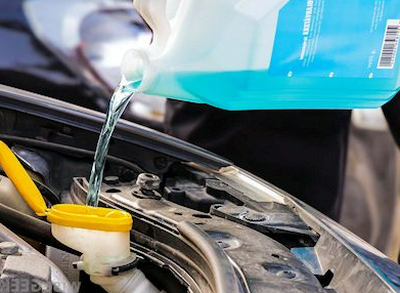
Ethylene Glycol: Mainly used in the production of synthetic resins, coatings, solvents, liquid antifreeze, refrigerants, and other chemical products. Due to its high toxicity, accidental ingestion can lead to severe health risks. Therefore, its use and storage must be strictly controlled to avoid human exposure. The difference between ethylene glycol and diethylene glycol lies in their toxicity and intended industrial use.
Diethylene Glycol: Primarily used in the food, pharmaceutical, tobacco, and cosmetics industries as a preservative, sweetener, and additive in chemicals like caffeine. Diethylene glycol use covers a wide range of applications due to its stability and solubility. Diethylene glycol function includes acting as a solvent, humectant, and stabilizer in various formulations. In the market, deg diethylene glycol, also referred to as d ethylene glycol or deg glycol is sold under various grades depending on its application. Customers often inquire about deg chemical price, as it is competitively priced for large-scale usage. Deg chemical products are commonly sourced by manufacturers in need of reliable intermediates. For food and pharma sectors, high-purity deg ethylene glycol is often specified to meet safety standards.
ethylene glycol uses in industry

Conclusion:
Although both ethylene glycol and diethylene glycol are diols, they differ significantly in chemical structure and properties. Ethylene glycol has strong reducing properties and high toxicity, making it mainly suitable for industrial applications. In contrast, diethylene glycol is a relatively safe food additive with broader applications. For the general public, it is important to use ethylene glycol cautiously and follow proper storage and handling guidelines to avoid unnecessary harm.
Gneebio is a professional chemical raw material manufacturer and global distributor. Our company is located in Henan Province, China. We have multiple partner chemical factories in Henan, covering an area of 3,600 square meters, providing customers with a one-stop chemical procurement service, including mixing, repackaging, storage, and distribution.
Our hot-selling products include aromatic hydrocarbons (Naphtha (petroleum), Benzene, Toluene, o-Xylene, Styrene, Cyclohexane, Cyclohexanone, Epsilon-Caprolactam, 2-Anilinoethanol, etc.), alcohols (Ethylene Glycol, 1-Butanol, 2-Methyl-1-Propanol, Ethyl Alcohol, etc.), phenols and ketones (Phenol, Propafenone, Bisphenol A, Phenyl Methacrylate, Methyl Isobutyl Ketone, Phenolic Resin, etc.), and petrochemicals.