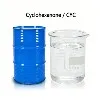

Phenol (CAS 108-95-2), also known as carbolic acid or hydroxybenzene, is a high-purity industrial chemical widely used as a raw material for phenolic resins, epoxy resins, bisphenol A (BPA), adhesives, and coatings. Its versatility and reliability make it essential for bulk chemical manufacturing and large-scale industrial production.
Physical and Chemical Properties
Physical Properties:
- State & Appearance: Colorless or white crystalline solid; industrial-grade phenol is typically a transparent liquid. Oxidizes to pink on air exposure.
- Solubility: Soluble in ethanol and diethyl ether; slightly soluble in water (~8.3 g/100 mL at 25°C).
- Melting / Boiling Points: 40.5°C / 181.7°C.
Chemical Properties:
- Acidity: Weak acid (pKa ≈ 9.95); forms phenolates with bases.
- Oxidation: Easily oxidizes to quinones; store sealed in dry, ventilated conditions.
- Reactivity: Benzene ring undergoes halogenation, nitration, and other electrophilic substitution reactions;
Applications in Phenolic Resin Production
- Phenol reacts with formaldehyde to produce phenolic resins, which are widely used in:
- Plywood and laminates
- Electrical components and insulation
- Adhesives and coatings
- Beyond resin production, 99% industrial Phenol is also used for:
- BPA and polycarbonate plastics
- Epoxy resin synthesis
- Pharmaceutical intermediates, disinfectants, and dyes