
Polybutadiene rubber (PBR) is the second most widely used synthetic elastomer. Most of the PBR consumed is in tires and tire products, with non-tire markets comprising applications in plastics modification and a wide variety of mechanical parts and other miscellaneous uses.
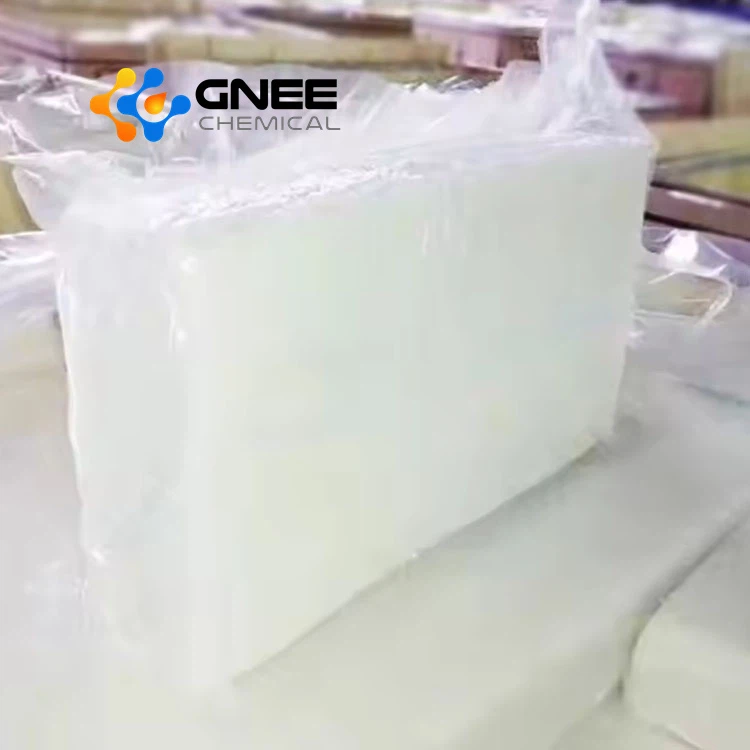
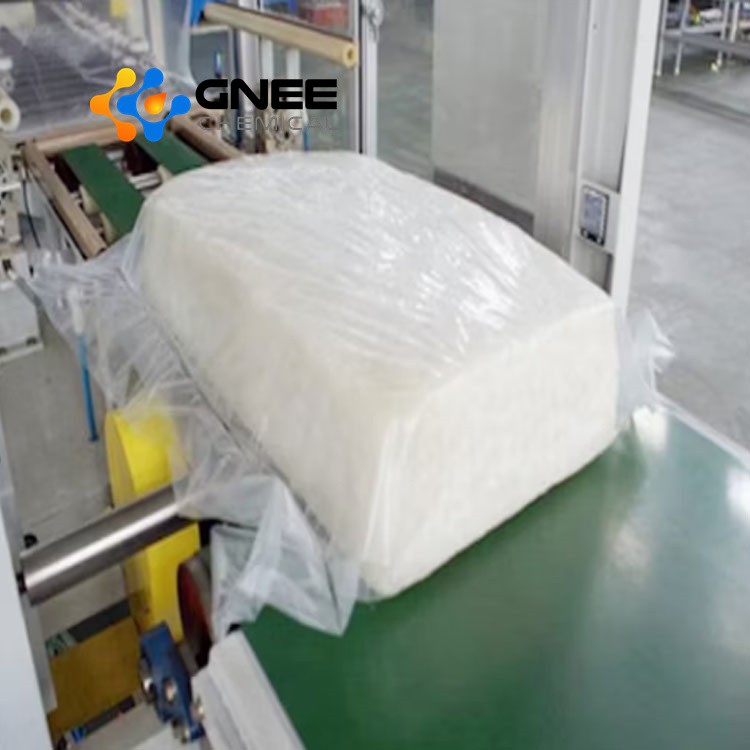
Polybutadiene rubber (PBR) is the second most widely used synthetic elastomer in the world, offering excellent abrasion resistance, low-temperature flexibility and high resilience. Due to its unique properties and versatility, it plays a vital role in a wide range of industries.
Key Applications:
Tire manufacturing (major market):
Tread and Sidewalls: Due to its high abrasion resistance and ability to reduce rolling resistance, SBR is a key component in tire production, especially in the tread and sidewalls.
Blends with natural rubber: Typically blended with natural rubber or Styrene Butadiene Rubber (SBR) to improve the performance, durability and energy efficiency of passenger and commercial vehicle tires.
Plastic modification: PBR is widely used to improve the impact resistance of plastics, especially in the production of high-impact polystyrene (HIPS) and acrylonitrile butadiene styrene (ABS) polymers.
Mechanical Components: Its durability and elasticity make it suitable for mechanical components such as seals, gaskets and conveyor belts that require flexibility and resistance to abrasion.
Other uses:
Sporting Goods: Due to its elastic properties, it is used in the manufacture of golf balls and other sports equipment.
Footwear: Used in the production of shoe soles to provide comfort and abrasion resistance.
Adhesives and Coatings: Used in certain adhesives, coatings and waterproofing applications.