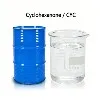

Acetone (CAS No. 67-64-1) and ethyl acetate (CAS No.141-78-6) are widely used organic solvents in the chemical industry. Both are colorless liquids with good solvent properties and are commonly used in coatings, pharmaceuticals, adhesives, and chemical manufacturing.
Despite these similarities, they differ in chemical structure, evaporation rate, solvent strength, and typical applications. These differences are important when selecting a suitable solvent for industrial processes.
What Is Acetone?
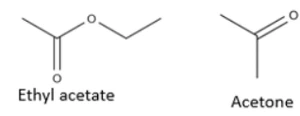
Acetone (CAS No. 67-64-1) is a ketone with the chemical formula C₃H₆O. It is widely used as an industrial solvent because of its strong dissolving ability and rapid evaporation.
Acetone can effectively dissolve plastics, resins, oils, and synthetic fibers, so it is commonly used in a variety of manufacturing processes.
Key Properties of Acetone:
- Boiling point: ~56°C
- Strong odour
- Higher polarity and solvency power than ethyl acetate
- Highly flammable
Common Industrial Uses of Acetone
Solvent in coatings and paints
Acetone liquid is widely used as a solvent in coatings, paints, adhesives, and cleaning agents.
Raw material for chemical production
Essential in the production of plastics, fibers, and pharmaceuticals.
Laboratory reagent and cleaning solvent
Acetone is a common laboratory reagent and cleaning solvent.
What Is Ethyl Acetate?
Ethyl acetate (CAS No.141-78-6) is an ester with the chemical formula C₄H₈O₂. It has a mild odor, a moderate evaporation rate, and good solvency.
Due to its relatively low toxicity and pleasant smell, ethyl acetate is widely used in pharmaceuticals, food processing, printing inks, and coatings.
Key Properties of Ethyl Acetate:
- Boiling point: ~77°C
- Mild odour
- Lower solvency power than acetone
- Widely used in food flavouring, perfumes, and lab extractions
Common Industrial Uses of Ethyl Acetate
Solvent in coatings and inks
Ethyl acetate solvent is widely used in paints, varnishes and inks.
Extraction solvent in pharmaceutical and food industries
Acts as an extraction solvent in pharmaceuticals and the food industry, such as in the decaffeination of coffee.
Adhesives and packaging
It is commonly used in adhesives for flexible packaging and lamination.
Acetone vs Ethyl Acetate:Key Differences
Although both solvents are widely used in industry, acetone (CAS 67-64-1) and ethyl acetate have different physical and chemical properties.
|
Property |
Ethyl Acetate |
Acetone |
| Boiling Point | ~77°C | ~56°C |
| Odour | Fruity, mild | Pungent, strong |
| Solvency Power | Moderate | High |
| Evaporation Rate | Slower | Faster |
| Common Uses | Coatings, pharma | Cosmetics, cleaning |
| Toxicity | Lower | Moderate |
| Biodegradability | Higher | Lower |
How to Choose Between Ethyl Acetate and Acetone
Choosing the right solvent depends on:
- Evaporation Speed Required
- Odour Tolerance in End Application
- Material Compatibility
- Cost Considerations
If your process needs a fast-evaporating, low-cost solvent with high solvency power, acetone may be ideal. For applications needing better film formation, reduced odour, or slower drying time, ethyl acetate offers distinct advantages.
Where to Buy Industrial Ethyl Acetate and Acetone?
If you are sourcing industrial solvents in bulk, choosing a reliable supplier is important to ensure stable quality and consistent supply.
Tianjin Gnee Biotech Co., Ltd. supplies high-purity chemical solvents to customers worldwide.
Packaging options
- 160 kg drums
- 200 kg drums
- IBC tanks
- ISO tank bulk shipping
Our products are widely used in coatings, pharmaceuticals, adhesives, petrochemicals, and chemical manufacturing industries.
Contact our team today to get a quotation or technical support for your solvent requirements.
industrial Acetone supplier

FAQ
Is acetone stronger than ethyl acetate?
Yes. Acetone generally has stronger solvency and can dissolve a wider range of materials than ethyl acetate.
Which solvent evaporates faster?
Acetone evaporates faster because it has a lower boiling point.
Is ethyl acetate safer than acetone?
Ethyl acetate is generally considered to have lower toxicity and a milder odor, which makes it suitable for certain pharmaceutical and food-related applications.
Can ethyl acetate replace acetone?
In some coatings and ink formulations, ethyl acetate can replace acetone, but the final choice depends on the evaporation rate and solvent strength required.