


No, 70% isopropyl alcohol and rubbing alcohol are not exactly the same. While 70% isopropyl alcohol is the active ingredient in rubbing alcohol, rubbing alcohol also contains other components like water and potentially other additives. Rubbing alcohol is a mixture, while isopropyl alcohol is a pure chemical compound.
Key Differences Between Isopropanol and Ethanol: Structure, Uses, and Toxicity
The main differences between isopropanol and ethanol (commonly referred to as "alcohol") lie in their chemical structure, applications, and toxicity.
Isopropanol alcohol is an organic compound widely used in industrial cleaning and disinfection, while ethanol is commonly found in medical disinfectants, beverages, and pharmaceuticals.


Chemical Structure
Isopropanol alcohol (chemical formula C₃H₈O) is a secondary alcohol, while ethanol (C₂H₆O) is a primary alcohol. The difference in molecular structure results in distinct physical and chemical properties.
2 propanol isopropanol has a higher boiling point and lower volatility than ethanol.
Ethanol evaporates more readily and is more volatile, making it ideal for rapid-drying applications.
Applications
IPA isopropanol is primarily used as:
- An industrial cleaner
- A solvent
- A powerful disinfectant, especially for removing oils and greases
In contrast, ethanol is widely used in:
- Medical disinfectants
- Hand sanitizers
- Beverage production
- Pharmaceutical manufacturing
At concentrations of 70–75%, ethanol is most effective for disinfection. Similarly, 2 isopropanol shows optimal antibacterial activity around 70% concentration.

Toxicity
Isopropanol alcohol carries higher toxicity. Accidental ingestion or prolonged exposure may lead to poisoning and harm the liver or nervous system.
Ethanol is safer in low concentrations, but excessive consumption can still cause alcohol poisoning and impair brain and liver function.
Usage Scenarios
2 propanol isopropanol and isopropylalkohol IPA are well-suited for industrial and laboratory environments. However, it is important to avoid direct skin contact and inhalation of vapors.
Ethanol, on the other hand, is more commonly used in:
- Household disinfection
- Hand sanitizers
- Food processing
While ethanol is safer for general use, both alcohols must be handled with care, using correct concentrations and proper safety guidelines.

We provide isopropanol CAS: 67-63-0. Please refer to the following website for detailed specifications and product information. Please refer to the following website for detailed specifications and product information.
product:https://www.gneechemical.com/chemicals/organic-chemicals/isopropyl-alcohol-ipa-cas-67-63-0.html
Click here to get the latest quote
Gneebio, established in 2016, is a professional chemical supplier committed to providing high-quality water treatment solutions and industrial raw materials. With multiple long-term cooperative factories and a strong supply chain, we offer reliable production capacity, competitive prices, and flexible customization options.
We provide full documentation support, including COA (Certificate of Analysis) and REACH registration for EU compliance.
Our hot-selling products include Poly(acrylamide) (PAM) in Anionic, Cationic, and Nonionic types, Chloramine B, Hydrochloric Acid (HCl), Sodium Hypochlorite, Didecyl Dimethyl Ammonium Chloride (DDAC), Ethylenediaminetetraacetic Acid (EDTA), and Xylene.
With years of export experience and a professional technical support team, Gneebio is your trusted partner for quality chemical sourcing.


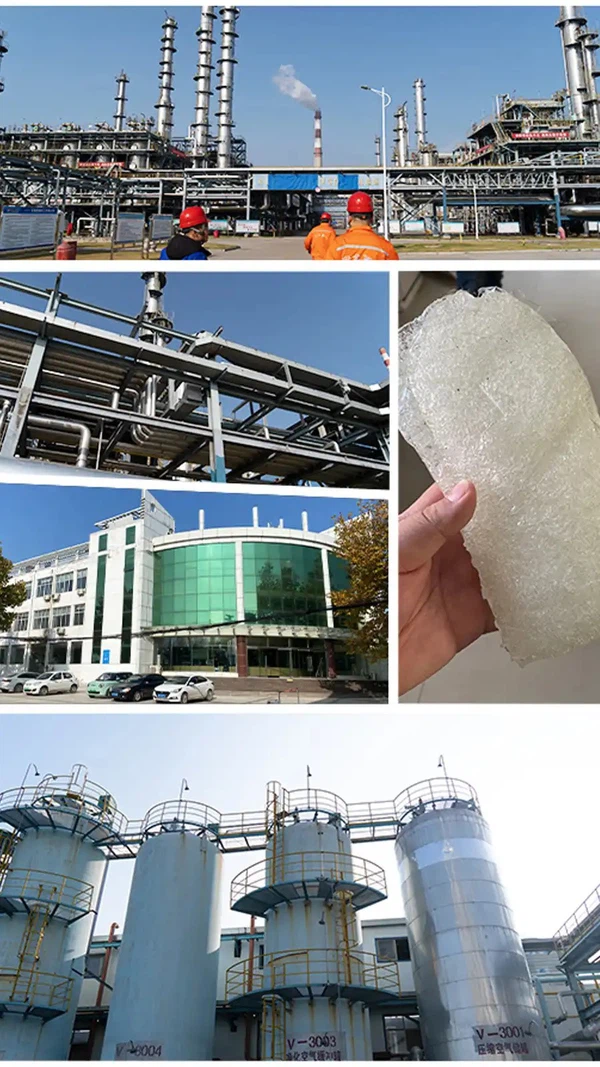
If you want to know more about isopropanol alcohol or are interested in purchasing it, you can send an email to info@gneebio.com. We will get back to you as soon as possible after you see the message.


