


What is Ethyl Acetate (ETOAC)?
Ethyl acetate is an organic compound with the formula CH3CO2C2H5, widely used as a solvent and synthetic intermediate in various industries. It is a colorless, flammable liquid with a characteristic fruity odor and is miscible with water.
📩 Request Bulk Pricing & Technical Documents from Gneebio today.
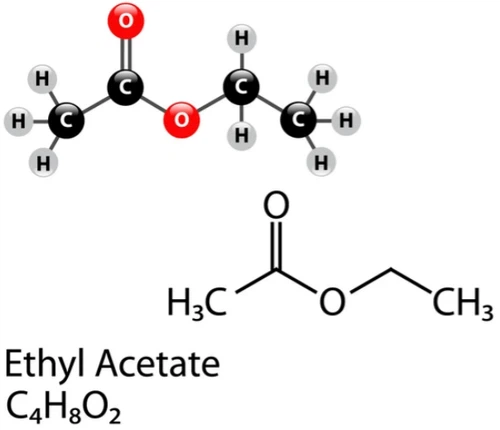
Benefits Of Ethyl Acetate (ETOAC) Solvent
Ethyl acetate, also known as ethyl ethanoate, is a carboxylate ester typically produced by combining ethanol and acetic acid. It is a clear, colorless liquid with a mild, fruity odor and is recognized for its excellent solvency, moderate boiling point, and fast evaporation rate.
Its properties make it an essential tool for formulators. Ethyl Acetate (ETOAC) Solvent dissolves a wide range of materials, including polymers, oils, and resins, which makes it useful in applications such as inks, paints, adhesives, coatings, and industrial cleaners. It is also used as an extraction agent and carrier solvent in various chemical processes.
Industrial Uses of Ethyl Acetate (ETOAC) Solvent
As a trusted industrial ethyl acetate supplier, Tianjin Gnee Biotech Co., Ltd. provides sustainable ethyl acetate for businesses across various industries. Known for its fast evaporation rate, mild odor, and excellent solvency properties, ethyl acetate is a crucial solvent in paints, coatings, adhesives, and printing inks.
Paints & Coatings
Ethyl acetate is widely used in lacquers, varnishes, and industrial coatings because of its fast-drying properties. It helps improve adhesion, durability, and finish quality, making it crucial for automotive paints, furniture coatings, and protective layers.
Printing Inks
In the printing industry, ethyl acetate is essential for flexographic and gravure inks used in packaging, labels, and magazines. Its strong resin-dissolving ability and rapid evaporation deliver sharp, smudge-free prints.
Adhesives & Sealants
Ethyl acetate helps control viscosity and enhances bonding strength in industrial adhesives and sealants. It supports superior adhesion in construction materials, automotive assembly, and other high-performance applications.
Properties of Ethyl Acetate (ETOAC) Solvent
Physical Properties
This clear, volatile liquid carries a distinct fruity scent, boiling at 77°C and melting at -83.6°C. Moreover, its flammability kicks in at a flash point of -4°C, and though miscible with alcohols, ethers, and hydrocarbons, it only dissolves modestly in water (8.7% at 20°C).
Chemical Properties
Formed through the condensation of acetic acid and ethanol, this ester remains stable but can hydrolyze under acidic or basic conditions, reverting to its original components. Moreover, it participates in a range of reactions, including:
Oxidation: It can undergo combustion in the presence of oxygen, producing carbon dioxide and water.
Nucleophilic addition: The carbonyl group can undergo nucleophilic addition reactions with nucleophiles like alcohols or amines.
Alternatives of Ethyl Acetate (ETOAC) Solvent
When looking for alternatives to ethyl acetate (EA), several industrial solvents can serve as substitutes depending on your application needs. Here's a breakdown:
Methyl Ethyl Ketone (MEK)
- Properties: Boiling point 80°C, KB value 90, fast evaporation.
- Advantages: Stronger solvency than EA, ideal for dissolving tough resins.
- Applications: Coatings, adhesives, and polyurethane (PU) resins.
- Note: Pungent odor and stricter regulatory requirements may require good ventilation.
Isopropyl Alcohol (IPA)
- Properties: Boiling point 82°C, KB value 37, slower evaporation than EA.
- Advantages: Excellent for water-miscible cleaning, budget-friendly, lower VOC in some regions.
- Applications: Electronics cleaning, printing equipment, pharmaceuticals.
- Note: Less effective for non-polar resins and coatings.
Acetone
- Properties: Boiling point 56°C, KB value 98, very fast evaporation.
- Advantages: High solvency, cheap, widely available, ultra-fast drying.
- Applications: Adhesives, fast-dry coatings, cleaning inks.
- Note: Highly flammable; may cause defects in sensitive coatings due to rapid evaporation.
Butyl Acetate (BA)
- Properties: Boiling point 126°C, KB value 55, slower evaporation.
- Advantages: Smooth finishes in coatings, mild banana-like odor, good for premium applications.
- Applications: Automotive coatings, lacquers, industrial paints.
- Note: Slower drying and less aggressive solvency for tough jobs.
Safety and Handling
While ethyl acetate solvent is considered safer than many alternatives, proper handling is still essential:
- Store in well-ventilated, cool environments
- Use PPE when handling large volumes
- Ensure spill containment and proper waste disposal
- Always refer to your local chemical safety regulations and the solvent's Material Safety Data Sheet (MSDS).
Export & Compliance Support
As an experienced ethyl acetate exporter, Tianjin Gnee Biotech Co., Ltd. supports global shipments with complete documentation:
- MSDS (Material Safety Data Sheet)
- COA (Certificate of Analysis)
- TDS (Technical Data Sheet)
- REACH compliance support (if required)
We regularly export ethyl acetate to Asia, the Middle East, South America, and other international markets.
Get Ethyl Acetate Price & Technical Documents
Looking for ethyl acetate price per ton or bulk supply details?
📩 Contact Gneebio today to receive:
- Latest ethyl acetate price
- MSDS & COA
- Packaging and MOQ details
- Technical consultation
- We will respond within 24 hours.


